
Simple Guide to Packing Artwork

Key takeaways
Pack artwork from the surface outward: glassine or acid-free paper on the front, cardboard corner protectors, bubble wrap with the bubbles facing out, then a snug mirror and picture box or a crate. Taping an X on glass is optional and only holds shards together; skip it on coated glass and acrylic. Sculptures get their thin parts wrapped first and travel double-boxed, and every framed piece rides standing on edge with nothing on top.
Packing artwork comes down to one principle: nothing sticky, scratchy, or damp touches the art itself. A soft barrier such as glassine or acid-free paper goes on first, then corner protectors and bubble wrap, then a box that fits snugly — and every piece rides standing on edge. Get that order right and paintings, prints, and sculptures arrive the way they left. If you’d rather not handle valuable pieces yourself, professional packing and unpacking services take the whole job off your hands. If you want to do it yourself, this guide walks through each type of artwork step by step.
What Is the Best Way to Pack Artwork for Moving?
The best way to pack artwork for moving is to match the materials to the type of piece. A framed print behind glass, an unframed canvas, and a ceramic sculpture each fail in a different way — glass shatters, paint scuffs and dents, thin parts snap — so each needs its own first layer and container.
| Type of artwork | First layer (touches the art) | Cushioning | Container |
|---|---|---|---|
| Framed art behind glass | Glassine or acid-free paper over the front and frame | Cardboard corner protectors, bubble wrap with bubbles facing out | Mirror and picture box, or a crate for large or valuable pieces |
| Framed art behind acrylic (Plexiglas) | Glassine or acid-free tissue; no tape on the acrylic | Corner protectors, bubble wrap with bubbles facing out | Mirror and picture box |
| Unframed canvas painting | Glassine over the paint surface; nothing pressed into the canvas | Cardboard sheets on both sides, padding around the stretcher bars | Picture box or crate, standing on edge |
| Prints, photos, and drawings on paper | Acid-free tissue or folder | Rigid board on both sides | Flat portfolio box |
| Small sculpture or ceramic piece | Tissue, then small pieces of bubble wrap on thin or protruding parts | Bubble wrap around the whole piece, voids filled with paper | Sturdy box, ideally boxed again inside a larger box |
| Large or heavy sculpture | Padding on every protruding part | Foam or blankets blocking it in place | Wooden crate |
Start With an Inventory of Every Piece
Before you buy a single box, list every piece of art you are moving, with its size, whether it is framed and glazed, and its approximate value. The list tells you how many picture boxes and how much wrapping you need, and it helps you get an accurate estimate from your mover — whether that is Spyder’s Germantown TN movers or any other crew. After delivery, you use the same list to check that everything arrived.
Photograph each piece from the front and back before it is wrapped, including any existing scratches or frame chips. If you’re not a fan of pen and paper, moving inventory apps let you attach photos to each item, and this guide to creating an inventory system while packing shows how to number boxes so the list and the labels match.

Moving in Mississippi, Tennessee or Colorado?
Spyder Moving gives free, no-obligation quotes. Licensed, bonded and insured.
What Supplies Do You Need for Packing Artwork?
Artwork is often fragile and hard to replace, so the quality of the materials matters as much as the technique. Here is what to prepare:
- Glassine or acid-free paper — the first layer on paintings and frames; it doesn’t stick to the surface or leave marks. Don’t use newspaper, which transfers ink.
- Cardboard corner protectors — frame corners take the first hit in almost every accident.
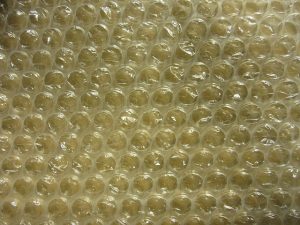
- Bubble wrap — always with the bubbles facing out, so they don’t press a pattern into the surface.
- Mirror and picture boxes — thin, telescoping cartons; for valuable or oversized pieces, a wooden crate.
- Triple-wall corrugated boxes — the sturdiest cartons, for sculptures and heavy frames.
- Low-tack painter’s tape for glass, and regular packing tape for the outer wrapping and boxes only.
- Water-activated tape (WAT) — it bonds into the cardboard and tears the box surface if anyone peels it, so you can tell whether a box was opened.
- Stretch wrap — only over the outer layers, never directly on paint, canvas, or a frame’s finish.
- Packing paper and permanent markers — for filling voids and labeling “Fragile,” “This side up,” and the front of each piece.
Moving supply stores and many moving companies sell these materials; an online moving box calculator gives you a rough count once your inventory is done. If you are booking movers in Collierville TN or Olive Branch MS movers, ask when you book whether they supply picture boxes and crates, and for the rest of the house as well.
How Do You Wrap a Painting for Moving?
To wrap a painting for moving, work from the surface outward and keep every layer clean and dry:
- Pick the box first. Use a mirror and picture box slightly larger than the frame, with room for padding on every side.
- Cover the front. Lay the painting face down on a clean sheet of glassine or acid-free paper and fold it around the frame like a present. Tape only paper to paper, on the back.
- Add corner protectors to all four corners of the frame.
- Wrap in bubble wrap, bubbles facing out, and tape the bubble wrap to itself. A layer of stretch wrap over the bubble wrap holds it tight and keeps dust out.
- Box it so it can’t move. Slide it into the box, fill any gaps with crumpled packing paper, seal the box with water-activated tape, and mark the front, “Fragile,” and which way is up.
Mirrors follow almost the same sequence; these five steps to packing a mirror cover the differences.
Should you tape an X on the glass?
Taping an X across the glass is optional, and it does not make the glass stronger. Low-tack painter’s tape only holds the shards together if the glass breaks, so they are less likely to cut into the art. The Canadian Conservation Institute’s note on wrapping a painting adds that tests show taping does not always reduce damage, and that the tape should be peeled off slowly so the glass doesn’t flex. Skip tape entirely on anti-glare or museum glass, which has a coating, and on acrylic glazing, which scratches easily.
How to pack large paintings for moving
Large paintings fail at the corners and in the middle of the frame, where they flex. Wrap them the same way, then reinforce: telescope two picture boxes together for an oversized frame, or order a wooden crate for valuable or very large work. Carry big frames on edge with two people, one hand on the bottom and one on the side — never by the top of the frame or the hanging wire.
How to pack canvas paintings and unframed art
An unframed canvas has nothing protecting the paint, so the rule is that nothing should press into the surface. Cover the front with glassine, cut two pieces of cardboard slightly larger than the canvas, and build a shallow frame of cardboard strips around the edges so the board sits above the paint rather than on it. Then add corner protectors, bubble wrap, and a box. Prints and drawings on paper travel flat between rigid boards in an acid-free folder.
How Do You Pack a Sculpture for Moving?
When packing sculptures, your main concern is the most vulnerable parts — arms, wings, handles, and anything thin. Wrap those first with small pieces of tissue and bubble wrap, filling the gaps and holes so thin parts can’t flex. Once they are secure, wrap the whole piece until it is fully covered.
Then place the sculpture in a sturdy box and pack crumpled paper around it until it can’t shift. For extra protection, put that box inside a larger box with padding between the two. If the sculpture is too big or heavy for cartons, use a wooden crate. The same care applies if pieces are headed into storage rather than straight to your new living room. Decanters, stemware, and liquor bottles need a similar gap-free wrap when you are relocating your home bar, and furniture going into the same unit needs its own prep, covered in these steps for long-term furniture storage.

How Do You Store Artwork Between Homes?
If your new place is not ready, or you are downsizing, some pieces may go into storage instead of straight onto a wall. Storing fine art adds a few requirements on top of the packing steps above:
- Climate control is not optional. Canvas, paper, wood frames, and glue all react to heat and humidity. Choose a climate-controlled unit and read our guide on how to protect your belongings from extreme temperatures in storage.
- Check the security. Ask about the locks, whether there is surveillance or on-site staff, and how access is controlled. Art is easy to carry and hard to replace.
- Insist on a clean, well-maintained facility. Pests and dust do more damage to artwork than most people expect.
- Re-think the wrapping for long stays. Stretch wrap and plastic are fine over the outer layers for a move, but over weeks they can trap humidity and invite mold. For storage, finish with breathable layers such as packing paper, glassine, or a cotton sheet, keep framed pieces standing on edge rather than flat, and keep them out of direct sunlight, which fades pigments.
- Insure it. Ask your mover and storage provider what coverage applies in transit and in storage, confirm it covers damage, loss, and theft, and keep your inventory list and photos as proof.
Family pieces need the same thinking; see this guide on preserving heirlooms and antiques in storage. Spyder’s storage services team can move the pieces straight from your old home into a climate-controlled unit, so they are handled once and by the same crew.

How Should Artwork Be Loaded Into the Truck?
Wrapping is most of the work, but placement in the truck decides the rest. Try to be present while your movers load the art. Boxed paintings and mirrors go in last, standing on edge against a padded wall or between mattresses, strapped so they can’t tip, with nothing stacked on top. Sculpture boxes go on the floor, never under heavier cartons. For the rest of the load, the same logic applies to big pieces — this guide on how to pack furniture for moving covers wrap order and loading for everything else.
At the new home, unpack art in the room where it will hang, cut the tape rather than tearing the wrapping, and check each piece against your inventory photos before you sign off on delivery.
If you would rather leave the wrapping, crating, and loading to professionals, Spyder Moving and Storage packs and moves artwork for homes in Mississippi, Tennessee, and Colorado with its own crews and trucks. Request a free estimate and tell us which pieces need special care when packing artwork for your move.
Frequently Asked Questions
How do you wrap paintings for moving?
Wrap the front and frame in glassine or acid-free paper, add cardboard corner protectors, then cover the piece in bubble wrap with the bubbles facing out. Put it in a mirror and picture box slightly larger than the frame, fill the gaps with packing paper, and keep it standing on edge.
How do you pack large paintings for moving?
Large paintings get the same wrap plus extra support: two telescoping picture boxes for an oversized frame, or a wooden crate for valuable work. Carry them on edge with two people, holding the bottom and sides, never the top of the frame or the hanging wire.
How do you pack canvas paintings for moving?
Cover the paint with glassine and make sure nothing presses into the canvas. Sandwich it between cardboard sheets held off the surface by a cardboard spacer frame around the edges, then add corner protectors, bubble wrap, and a picture box.
How do you pack art supplies for moving?
Tighten caps on paint tubes and jars, tape the lids, and pack them upright in sealed plastic bags inside a lined box. Wrap brushes so the bristles aren’t bent, keep canvases and pads flat between boards, and ask your mover before packing solvents such as turpentine or mineral spirits, because flammable liquids are usually excluded from moving trucks.
How do you pack artwork for storage?
For storage, use breathable layers such as glassine, packing paper, or a cotton sheet instead of sealed plastic, which can trap humidity over weeks. Keep framed pieces standing on edge, out of direct sunlight, in a clean, climate-controlled unit such as Spyder’s storage services.
Can movers pack and move paintings for you?
Yes. Full-service movers can wrap, box or crate, load, and unpack artwork as part of a packing service. Spyder Moving and Storage offers packing and unpacking services for the whole home or only for the pieces you don’t want to handle yourself.
Free, no-obligation estimate
Get your free moving quote
Tell us where you are moving from and to, and our team will get back to you with a quote. Serving Mississippi, Tennessee and Colorado. Prefer to talk? Call (800) 221-3560.
"*" indicates required fields