Preserving Family Heirlooms and Antiques in Storage

Key takeaways
Preserving family heirlooms and antiques in storage depends on steady humidity and temperature, an inventory with photos and insurance, and the right wrapping: unbuffered acid-free tissue, breathable cotton and moving blankets instead of newspaper and plastic. Conservation guidelines put photographs at 30–50% relative humidity and books at about 35–50%, and warn against attics, basements and garages. Denver's dry air cracks wood, while humid Mississippi and Tennessee summers bring mold, so the unit's conditions matter as much as the packing.
Family heirlooms and antiques carry both history and money, and storage is where many of them get hurt. Wood cracks when the air is too dry, quilts and photos grow mold when it is too damp, silver tarnishes, and anything stacked carelessly breaks. Preserving family heirlooms and antiques in storage comes down to a stable environment, the right wrapping materials and careful handling. This guide covers each step, from inventory and insurance to item-by-item packing for furniture, porcelain, quilts, silver, books, paintings and photos, using guidance from the Library of Congress, the Canadian Conservation Institute and other preservation bodies. It applies whether your unit is in Denver’s dry air or in the humid summers of Mississippi and Tennessee.
What damages heirlooms and antiques in storage?
Conservators agree that a stable environment matters more than any single product. Swings in relative humidity (RH) make wood swell and shrink until it splits, loosen furniture joints and lift veneer. High humidity feeds mold on textiles, paper and photographs and speeds up metal corrosion. Light fades and cracks finishes, pests eat fibers and paper, and rough handling causes most breakage. Denver’s dry, sunny climate pushes wood and leather toward cracking, while the long humid summers in Mississippi and Tennessee push quilts, books and photos toward mold. Spyder’s Denver moving crews see both kinds of damage when they unload storage units.
The table below sums up what each type of heirloom needs:
| Item | Main risk in storage | How to wrap it | Target conditions and placement |
|---|---|---|---|
| Wood furniture | Cracking, warping, loose joints from humidity swings | Moving blankets or cotton pads, not plastic against the finish | Stable humidity, off the floor, away from vents and sunlight |
| Quilts and textiles | Mold, permanent creases, pests, acid damage from bare wood | Unbuffered acid-free tissue in folds, acid-free box or clean cotton sheet | About 68–75°F and 40–57% RH, never in an attic or basement |
| Photographs | Mold, sticking, fading | Archival sleeves or boxes that pass the Photographic Activity Test (PAT) | 30–50% RH with changes under 5% in 24 hours |
| Books and documents | Mold, insects, acid migration from wood shelves | Acid- and lignin-free boxes, packed flat or spine down | About 35–50% RH, off bare wood shelves |
| Silver | Tarnish from sulfur in the air | Unbuffered acid-free tissue or silver-embedded anti-tarnish cloth, then a sealed polyethylene bag | Dry and sealed; polish only when needed |
| Paintings and mirrors | Cracked paint, broken glass, warped frames | Glassine first, then padding, in a crate or mirror box | Stored upright on edge, nothing on top |
How do you prepare heirlooms and antiques for storage?
Preparation decides most of the outcome. Three steps come before anything is packed: an inventory, gentle cleaning with a condition check, and proper documentation for insurance.
Taking inventory of your heirlooms and antiques
Before you pack your antiques, make a list of everything you plan to store. Write down details about each item, including its size, unique features or maker’s marks, and photograph it from several sides. Photos show the condition of each piece before it goes into storage, which is what an insurer will ask for after a claim. A detailed inventory also makes it easier to find specific items later, especially if you have a lot of things or use more than one storage unit. If you need help packing and organizing a full apartment, Spyder’s apartment movers in Denver can handle the process.

Cleaning gently and checking condition
Dust and grime attract pests and hold moisture, so clean before you store, but gently. Dust wood with a soft, lint-free cloth rather than soaking it, let anything damp dry completely, and skip heavy polishes, which can react with old finishes over time. Vacuum sturdy textiles through a screen on low suction instead of washing or dry cleaning them, since solvents and agitation can damage old fibers. Silver does not need to be polished before storage.
While you clean, look for cracks, loose joints, flaking paint, insect holes or fine sawdust under a piece, which can signal active insects. Note the damage in your inventory. Valuable pieces that need repair should go to a professional conservator before storage, not after. If you’re relocating to Colorado and need these items moved first, Spyder’s interstate movers from Denver can help plan the move and storage together.
Get an appraisal and insure what you store
Have valuable pieces appraised, and keep certificates of authenticity, receipts and appraisal letters together with a clear photo of each item. Some homeowners and renters policies cover belongings kept in a storage facility, but limits vary and standard policies typically exclude flood, mold and pest damage. Expensive art, jewelry or collectibles may hit theft limits, so ask your insurer about a separate floater, and ask the storage facility what its own protection covers and whether it pays actual cash value or replacement cost. If it is worth storing, it is worth insuring.
How to choose a storage unit for antiques
The unit you choose matters as much as your packing. Look at climate, security, size and access before you sign.
Why climate-controlled storage matters for antiques
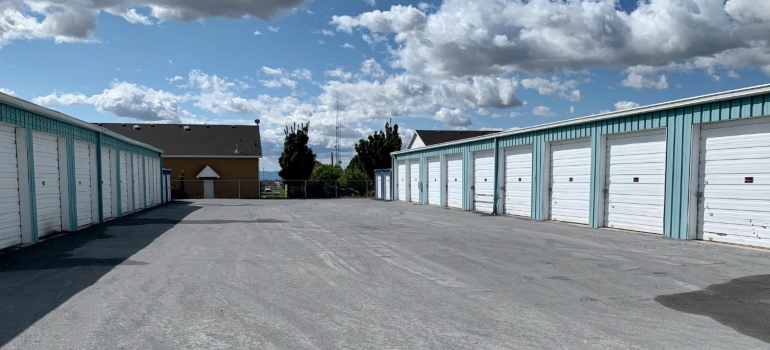
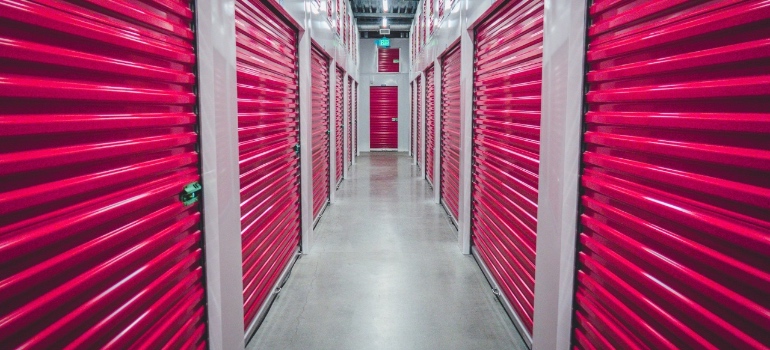
A climate-controlled unit keeps temperature and humidity steadier than a standard drive-up unit, and steadiness is what antiques need most. Wooden furniture, paintings, quilts and paper are the most sensitive. When you compare facilities, ask exactly what “climate controlled” means there: some units are only heated and cooled, while others also manage humidity. Ask what range the facility holds year-round and whether the unit is inside the building, away from exterior walls and loading doors.
Security, size and access
Choose a facility with gated access, cameras and good lighting, and use a strong lock. Read reviews and ask how access is logged. Then pick a unit big enough to keep items organized and reachable: if everything is crammed in, you risk damage every time you move something. Shelving keeps smaller pieces off the floor, and a ground-floor or drive-up unit makes loading heavy furniture safer. If you need help with heavy or fragile pieces over a long distance, long-distance movers in Denver can load and place them for you.
Why the garage, basement or attic will not do
The Canadian Conservation Institute and the Library of Congress both warn against storing valuables in attics, basements and garages. These spaces see the biggest temperature and humidity swings, are the first to leak or flood, and are where mice and insects get in. If heirlooms must stay at home for a while, use an interior closet in the main living area, away from exterior walls, windows, fireplaces and heat vents.
How to pack heirlooms and antiques for storage
Most packing damage comes from the wrong materials or from boxes that are too full or too empty. Start with the right supplies, then follow the item-specific steps below.
Packing materials that protect and the ones that harm
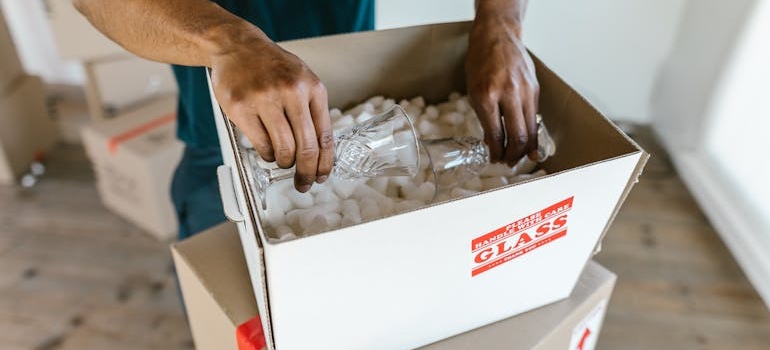
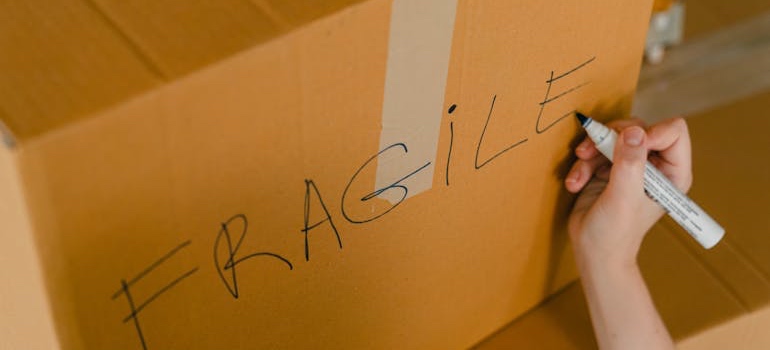
Use unbuffered acid-free tissue for wrapping delicate items, acid- and lignin-free boxes for paper and textiles, and bubble wrap or foam for glass and porcelain, with the bubbles facing out so they do not imprint on surfaces. Avoid newspaper, since the ink rubs off and the paper is acidic, and avoid wrapping textiles, paper or wood tightly in plastic, which traps moisture. Don’t overpack boxes; leave room for padding, keep heavy boxes small, label every box, and mark fragile ones clearly. If you’re unsure about packing valuable pieces, Spyder’s packing service in Denver can wrap and box them for you.
Protecting antique furniture
Remove drawers and take off legs or shelves only if they were designed to come apart, and bag and label every piece of hardware, since original fittings on antiques are often irreplaceable. Wrap each piece in moving blankets or padded covers tied with soft cord or tape on the blanket, not on the finish. Conservators recommend plastic only to isolate a piece with insects, not as a routine wrap, because it traps moisture against the wood. Wood does not need to be “fed” with oils; if you want a protective coat, a thin layer of colorless microcrystalline paste wax is the safer choice. Lift furniture by its strongest parts instead of dragging it. For heavy pieces, furniture moving help in Denver saves your back and the joints.
Packing porcelain, glass and mirrors
Wrap each piece of porcelain or glass separately, first in acid-free tissue, then in bubble wrap. Use strong boxes of the right size and line the bottom and sides with padding so pieces cannot touch. Plates travel safer on edge than stacked flat. Mirrors and framed glass go into corrugated mirror boxes and are stored upright on edge with nothing resting on them. Antique mirrors need a little more care, so read how to pack a mirror before one goes into storage.
Vintage quilts and textiles
Fold quilts loosely with rolls of unbuffered acid-free tissue in the folds, and refold along different lines each time you check the unit so no crease sets permanently. Store them in acid-free boxes or wrapped in clean white cotton sheets, never in plastic dry-cleaning bags or plastic totes, which can trap moisture and give off chemicals that harm fibers. Keep textiles out of direct contact with wood, including cedar chests and wooden hangers. Fragile or beaded garments should be boxed flat rather than hung. For tailored suits and dresses in better condition, these tips for packing business clothes show how to keep them crease-free.
Antique silverware
You do not need to polish silver before storage, and the Canadian Conservation Institute advises against frequent polishing because each round removes a little silver. Handle pieces with clean cotton gloves, wrap each one in unbuffered acid-free tissue or a silver-embedded anti-tarnish cloth so pieces cannot scratch each other, and seal them in polyethylene bags. Pack the bags snugly in a sturdy box, keep rubber bands away from silver, and label the box without advertising what is inside. Small valuables like this are easy to lose in a move, so keep them on your inventory and, if possible, transport them yourself.
Books and paintings
The Library of Congress recommends packing books flat, heaviest at the bottom, or upright with the spine down, in acid- and lignin-free boxes for long-term storage, and keeping them off bare wood shelves. Wrap oil paintings in glassine, a smooth paper that does not stick to surfaces, then pad the corners, crate or box them, and store them upright on edge rather than flat. Ask for a ground-floor unit if you are hauling paintings and heavy book boxes yourself, or let Spyder load them as part of its storage services.

Photos and documents
Scan family photos and important documents first and save the copies to a cloud service or an external drive kept somewhere else. Then store the originals flat in archival boxes or sleeves that pass the Photographic Activity Test. Paper enclosures are safest in an uncontrolled space, because photo emulsions can stick to plastic sleeves in high humidity. Store everything in a cool, dry spot away from the unit door and exterior walls.
How to keep stored antiques safe over time
Storage is not a one-time job. How you arrange the unit and how often you check it decide whether heirlooms come out the way they went in.
Properly arranging and preserving family heirlooms and antiques in storage
Use shelves and pallets so nothing sits on the concrete floor, where moisture and any water leak collect first. Put heavy items on the lower shelves and lighter, fragile ones on top, keep a few inches between furniture and the walls so air can circulate, and leave a clear path so you can reach any item without moving everything else.
Dry air in Colorado, humidity in Mississippi and Tennessee
In Denver and Colorado Springs, the threat is air that is too dry, which cracks wood, loosens joints and dries leather. In Mississippi and Tennessee, long humid summers bring mold, mildew and warping to quilts, photos, books and wood. In both cases the answer is a unit with steady conditions, not a quick fix: don’t put a humidifier, dehumidifier or open containers of water in a storage unit without the facility’s approval, since a device that fails or overshoots can do more harm than good. Spring and fall are the better seasons to move heirlooms in the South. In the Memphis area, our packing services in Memphis TN handle fragile heirlooms, and these tips on protecting belongings from extreme temperatures in storage go further.
Protecting items from dust and pests
Never store food, food-stained items or open cardboard near heirlooms. Seal smaller items in lidded containers when the climate is controlled, keep textiles covered with breathable cotton, and check for droppings, webbing, fine sawdust or holes when you visit. A pest problem caught early is a cleaning job; caught late, it is a conservation job. Read more about preventing pest infestations in long-term storage.
Periodically checking on your stored items
Visit the unit every few months, and after any heat wave or storm. Look for cracks, warping, mold, rust or tarnish, check that the unit feels as cool and dry as promised, and refold quilts while you are there. If you find damage, photograph it, move the piece out of harm’s way and talk to a conservator before you try a home repair.
Moving heirlooms and rare collectibles into storage
The move into storage is where many antiques get scratched or dropped, so plan it as carefully as the storage itself. Use dollies and ramps for heavy furniture, keep fragile boxes on top and separate from heavy ones in the truck, and drive small valuables yourself. Hiring Spyder’s Denver movers means trained crews who wrap, load and place fragile pieces. A storage unit also gives you time to unpack your new home without rushing, so collectibles can wait safely until a spot is ready. Working with furniture movers in Denver who know how to handle antiques protects your valuables throughout the process.

For the detailed science, see the Library of Congress book storage FAQ and its guide to caring for photographs, the Canadian Conservation Institute’s basic care for wooden furniture and silver care note, and the North Carolina Historic Sites advice on caring for old textiles.

Keeping family heirlooms safe for the next generation
Preserving family heirlooms and antiques in storage takes a stable unit, an inventory with photos, the right insurance, acid-free and breathable wrapping instead of newspaper and plastic, and regular check-ups. Spyder Moving and Storage has offices in Denver, Colorado Springs, Memphis, Oxford and Hattiesburg, with its own crews and trucks for packing, moving and storage. Request a free estimate and we will help you pack, move and store your heirlooms so they reach the next generation in good condition.
Frequently Asked Questions
Should antiques be stored in climate-controlled storage?
Yes, valuable or delicate antiques are safest in a climate-controlled unit, because swings in humidity crack wood, loosen joints and feed mold on textiles and paper. Ask the facility whether it controls humidity as well as temperature and what range it holds year-round.
Can you store antique furniture in a storage unit?
Yes, antique furniture can be stored in a storage unit if the unit has stable conditions and each piece is cleaned, wrapped in moving blankets rather than plastic, and kept off the concrete floor. Conservators recommend plastic only for isolating a piece with insects, because it traps moisture against the wood.
How do you store family heirlooms long term?
Store family heirlooms long term in a clean unit with steady humidity, wrapped in unbuffered acid-free tissue or breathable cotton, in acid-free boxes, and documented with an inventory, photos and insurance. Keep them out of attics, basements and garages, and check on them every few months.
How do I store antique quilts and textiles?
Fold antique quilts loosely with unbuffered acid-free tissue in the folds, store them in acid-free boxes or clean cotton sheets, and refold them along new lines from time to time. Never use plastic dry-cleaning bags or plastic totes, and keep textiles off bare wood, including cedar chests.
Should you polish silver before putting it in storage?
No, silver does not need to be polished before storage, and the Canadian Conservation Institute advises against frequent polishing because each polish removes some silver. Wrap each piece in unbuffered acid-free tissue or an anti-tarnish cloth and seal it in a polyethylene bag instead.
Free, no-obligation estimate
Get your free moving quote
Tell us where you are moving from and to, and our team will get back to you with a quote. Serving Mississippi, Tennessee and Colorado. Prefer to talk? Call (800) 221-3560.
"*" indicates required fields