How to Protect Your Belongings from Extreme Temperatures in Storage

Key takeaways
How you protect stored belongings depends on the climate: in Colorado, dry air and day-to-night swings crack wood and leather, while in Mississippi, heat and humidity bring mold, mildew and swelling. The Library of Congress recommends 30–50% relative humidity, 70°F or below and stable conditions for photos, and the EPA advises humidity below 60% to prevent mold. Use climate control for wood, electronics, fabrics and paper, sealed plastic bins, breathable covers and pallets, and check the unit every month or two.
What damages stored belongings depends on where your unit is. In Colorado, the threat is very dry air, cold winters and fast swings between day and night temperatures, which crack wood, dry out leather and put stress on electronics. In Mississippi, it is the opposite: heat and humidity for most of the year, which bring mold, mildew, swelling and rust. To protect your belongings from extreme temperatures in storage, match your packing and your unit to the climate, keep conditions as stable as possible, and check on things regularly. Spyder Moving and Storage moves and stores households from offices in both states, and this guide covers what works in each.
Which items are most at risk in storage?
Wood furniture, electronics, leather, musical instruments, photos, documents, artwork, clothing and mattresses are the items most likely to be damaged by heat, cold, dryness or humidity. Most of the damage comes from change: materials expand and shrink as temperature and humidity move up and down, and that movement cracks finishes, loosens joints and warps paper. If you are storing with help from Spyder’s Denver movers, dry air is the main concern; in Mississippi, it is damp air. The table shows how the same items fail in each climate.
| Item | Risk in dry, cold climates (Colorado) | Risk in hot, humid climates (Mississippi) | Best protection |
|---|---|---|---|
| Wood furniture | Cracks, splits, loose joints | Swelling, warping, sticky finish, mold | Stable humidity, breathable covers, off the floor |
| Leather | Dries out, stiffens, cracks | Mold and mildew spots | Conditioner, cotton cover, airflow |
| Electronics | Static, condensation after cold nights | Corrosion from moisture | Batteries out, anti-static wrap, climate control |
| Photos, books, documents | Brittle, curling paper | Mold, pages sticking together | Acid-free boxes, climate control |
| Clothing, upholstery, mattresses | Dust, static | Mildew and musty odors | Clean before storing, breathable covers |
| Tools, metal shelving, plastic bins | Low risk | Rust on bare metal | Light oil on metal, standard unit is fine |

How do dry air and cold winters affect storage in Colorado?
Colorado’s semi-arid climate means low humidity for much of the year, cold winters and large differences between daytime and nighttime temperatures. A standard unit follows those conditions, so the inside of the unit can be bone-dry in winter and hot in summer.
Dry air cracks wood and leather
Low humidity pulls moisture out of materials. Wood shrinks and can crack or split, especially where pieces are glued or screwed together and can’t move freely. Leather dries out and gets stiff or brittle. Glue in books, frames and veneers can fail, and paper gets brittle. Experienced residential movers in Denver recommend thinking about how dry the air inside a unit will get before you pick one, not just how cold.
Day-to-night temperature swings
Fast swings are hard on electronics, glass and finishes. When a cold device warms up quickly, moisture can condense inside it, so let electronics reach room temperature before you switch them on after storage. Glass and ceramics are stressed as they expand and contract, and finishes on furniture can crack over time. That is why local movers in Denver advise storage that holds a steady temperature for anything sensitive. Glass tanks and their equipment are just as vulnerable, so plan ahead when moving an aquarium during very hot or cold months.
Cold concrete floors and snowmelt
Concrete floors in Colorado storage units get very cold in winter and can stay damp after snow is tracked in. Boxes and furniture sitting directly on the floor absorb that cold and moisture. Use pallets, shelving or rubber mats so nothing touches the concrete. If movers in Colorado Springs or elsewhere are loading your unit, have the pallets or shelves in place before they arrive so furniture goes straight onto them.
How do you protect your goods from humidity in a storage unit?
In Mississippi, where Spyder has offices in Oxford and Hattiesburg, the problem is heat and humidity for most of the year. Moisture builds up inside a standard unit, mold and mildew follow, heat loosens glue and softens finishes, and every temperature change makes materials swell and shrink. The EPA’s guide to mold and moisture recommends keeping indoor humidity below 60 percent, ideally between 30 and 50 percent, which a standard unit in a Gulf South summer usually can’t do.
What climate control does in a humid climate
A climate-controlled unit holds a set temperature range, and many also reduce humidity, so there is less condensation, less mold and fewer swings for materials to react to. A standard unit simply mirrors the weather outside. What you are paying for is consistency, not just cooler air. Ask whether the facility controls humidity or only temperature, because the two are not the same.
Which items need climate controlled storage in Mississippi?
Knowing which items need climate controlled storage in Mississippi saves you from paying for climate control you don’t need, or losing things you can’t replace:
- Wood furniture: wood absorbs moisture and dries out again, which warps tops, cracks panels and loosens joints. Drawers can stop closing and tables can start to rock; heat can also make finishes peel or feel sticky.
- Electronics and small appliances: moisture reaches the inside even of tightly packed items and corrodes components. The damage often stays hidden until you plug the device in.
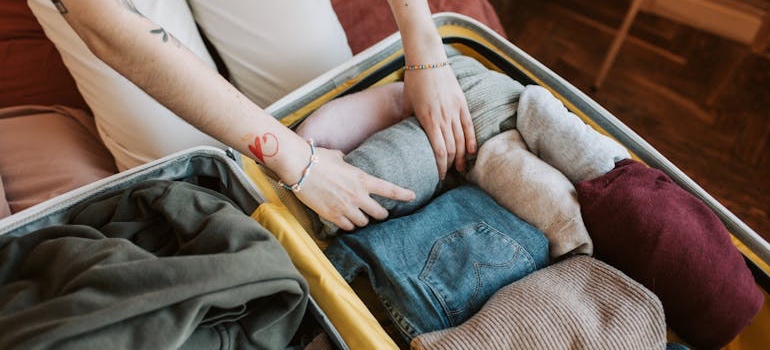
- Clothing, upholstery, mattresses and bedding: fabric holds moisture and picks up mildew and odors. Plastic covers don’t solve it; long-term fabric storage without climate control usually means washing everything again.
- Books, photos and documents: paper curls, sticks together, molds and fades. Because these are usually irreplaceable, they are the clearest case for climate control.
Tools, metal shelving, plastic bins, patio furniture and yard equipment handle heat and some moisture without trouble. Pack them well, keep them off the floor, and a standard unit is fine. Our storage services team will tell you the same: it depends on what the item is made of and how long it will sit. For a list of things that should never sit in a hot unit, see what you should never store in a Mississippi storage unit during summer.
How to keep mildew out of a standard unit
Length of stay matters as much as the item. For a few weeks, most belongings are fine in a standard unit because damage has no time to build up. Over months, heat and humidity work slowly and you rarely notice until you unpack. If you use a standard unit anyway:
- Make sure everything is completely dry and clean before it goes in.
- Use plastic bins with tight lids instead of cardboard, which soaks up moisture.
- Put moisture absorbers in the unit and replace them on each visit.
- Leave gaps between items and the walls so air can move.
- Keep everything raised off the floor, where condensation collects.
Treat these as extra protection, not a replacement for climate control on sensitive items. Damp storage also attracts insects, so follow these tips for preventing pest infestations in long-term storage. If you are moving to the area, Spyder’s Hattiesburg movers can help you plan storage, and our guide on what to know before moving to Mississippi covers the climate in more detail.
What temperature and humidity should stored items have?
There is no single number for a whole household, but conservation guidance points to the same idea: cool, moderately dry and, above all, stable.
- Photos: the Library of Congress recommends a relatively dry (30–50% relative humidity), cool (70°F or below) and stable environment, with humidity changing less than 5% within 24 hours, in its guidance on the care and storage of photographs.
- Papers and documents: the National Archives advises storing family papers below 75°F and below 65% relative humidity to prevent mold, and warns that humidity below 15% can make them brittle.
- Mold prevention in general: the EPA recommends humidity below 60%, ideally 30–50%.
Both the Library of Congress and the National Archives also advise against storing valuables in attics and basements, where condensation, leaks and big swings are most likely. A climate-controlled unit is the closest a renter can get to these conditions, but temperature control and humidity control are different features. In Colorado, a heated unit can still be too dry for wood and leather; in Mississippi, a cooled unit can still be too damp if it doesn’t dehumidify. Ask the facility which one you are getting. For heirlooms and antiques, read our guide to preserving family heirlooms in storage.
How to pack your furniture during hot weather
Summer moves add a step before storage even begins: the ride. A closed truck or car in the sun heats up quickly, so don’t leave furniture, electronics, candles, vinyl records or photos sitting in a vehicle while you run errands.
- Move early in the day and load sensitive items last so they spend the least time in the truck.
- Wrap wood and upholstered furniture in moving blankets or cotton sheets, not plastic wrap, which traps heat and moisture against the finish.
- Clean and dry everything first. Sweat, food residue and damp cushions feed mold once the furniture is closed into a hot unit.
- Take batteries out of electronics and remotes, since heat speeds up leaks and corrosion.
- Keep furniture away from the unit door and metal walls, which get hottest in the afternoon sun.
Moving pads also protect furniture from scrapes on the way into storage, so ask furniture movers in Denver or your local crew to pad-wrap pieces headed for a unit.
How should you pack and place items in a storage unit?
The right materials and layout matter in both climates. These steps work whether the problem is dry air or damp air.
Use sealed plastic bins for long-term storage
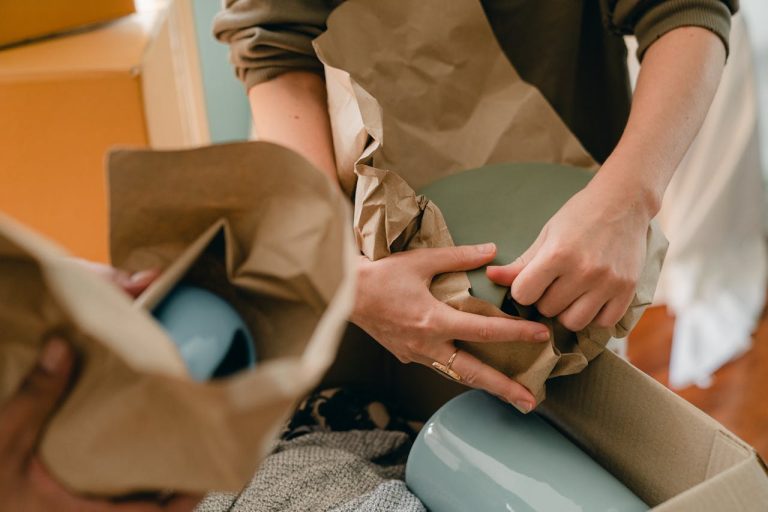
Cardboard boxes are fine for a move or a few weeks in storage, but over months they absorb moisture in humid climates, weaken in dry ones, and don’t keep out pests. For long-term storage, use sturdy plastic bins with tight lids, check that lids aren’t cracked, and add silica gel packs to boxes with sensitive items. Cover furniture with breathable fabric and use bubble wrap or foam for breakables. A professional packing service in Denver can supply the right materials and pack everything for storage. Experienced movers in Aurora CO also remind clients to seal everything tightly before it goes in.

Protect electronics with anti-static packaging
Take out batteries first so they don’t leak or corrode. Use the original boxes if you still have them; if not, wrap devices in anti-static bubble wrap and pack them in padded, sturdy containers. Keep electronics off the floor and away from exterior walls, vents and metal shelving, which get hotter or colder than the rest of the unit.
Condition and cover leather
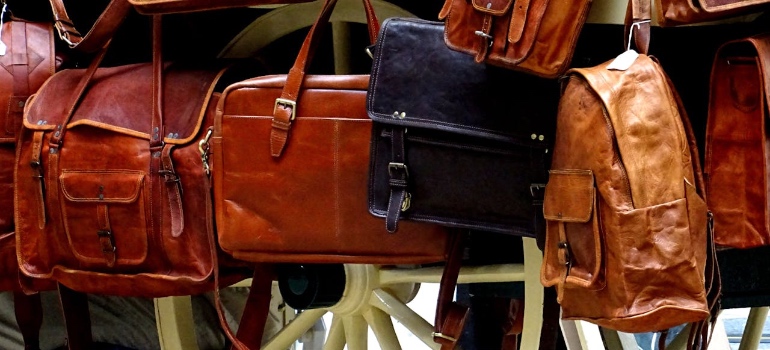
Rub leather conditioner on sofas, chairs and bags before storage, especially in dry Colorado air. Keep leather off concrete and away from cold walls, cover it with a cotton sheet rather than plastic, and don’t stack anything heavy on top, since pressure leaves marks that don’t come out. In a humid climate, airflow matters more than conditioner, so leave space around leather pieces.
Store artwork and photos upright in acid-free materials
Use acid-free folders, sleeves and boxes for photos and documents. Wrap framed art in acid-free paper, don’t let anything press on the glass, and stand frames upright on shelves or in padded containers rather than flat on the floor. These are the items most worth a climate-controlled unit in either state.
Raise everything off the floor and leave room for air
Pallets, shelves or rubber mats keep belongings away from cold, damp concrete and make it harder for insects to get in. Don’t overpack the unit: when everything is jammed together, air can’t circulate and heat or moisture builds up between items, and boxes stacked too high get crushed. Get a unit big enough to leave small gaps and an aisle, or get moving help in Denver to load it properly.

Label, organize and rotate seasonal items
Label every box and group items by type or season, with the things you’ll need soonest at the front. Less digging means fewer fragile items knocked over and less time with the door open in extreme weather. When you swap seasonal items, check each box for moisture or brittleness before it goes back. Holiday ornaments and other fragile seasonal pieces need extra care, so learn how to pack seasonal decorations for a move before they go into a unit.
What should you check once your things are in storage?
Packing well is half the job. The other half is catching problems early and knowing what your coverage pays for.
Visit your unit every month or two
Look for cracks in wood furniture, wet spots, peeling photos, sagging boxes, musty smells and signs of insects or rodents. Replace moisture absorbers, re-cover anything that has slipped, and repack boxes that are softening. A short visit costs far less than replacing damaged furniture.
Check what your insurance covers
Storage facilities often offer coverage, and some homeowners or renters policies extend to items in a unit. Read the exclusions carefully: according to the Insurance Information Institute’s guide to self-storage coverage, off-premises coverage typically doesn’t include mold and mildew, flood or vermin damage. That makes prevention, not insurance, your main protection against climate damage.

Ask the facility the right questions
Before you rent, ask:
- Does the unit control humidity, or only temperature?
- Is the unit indoors, insulated and sealed against dust and pests?
- Is there pest control on a regular schedule?
- How often are units and the building checked?
- What does the facility’s own coverage include and exclude?
Use these tips to protect your belongings from extreme temperatures in storage
Whether your unit is in dry, cold Colorado or hot, humid Mississippi, the same principles apply: put sensitive items in climate-controlled space, use sealed bins and breathable covers, keep everything off the floor with room for air, and visit regularly. Use archival guidance as your target for photos and papers, and treat insurance as a backup, not a plan.
If you need help packing for storage or moving your belongings into a unit, Spyder Moving and Storage has offices in Denver, Colorado Springs, Oxford, Hattiesburg and Memphis. Request a free estimate and we’ll help you protect your belongings from extreme temperatures in storage, from the first box to the last.
Frequently Asked Questions
How do you protect your goods from humidity in a storage unit?
Protect goods from humidity by choosing a unit that controls humidity, not only temperature, and by storing everything clean and completely dry in sealed plastic bins. Add moisture absorbers, leave gaps for airflow, and keep items on pallets off the floor. The EPA recommends keeping humidity below 60 percent to prevent mold.
How do you pack furniture during hot weather?
Pack furniture in hot weather by wrapping it in moving blankets or cotton sheets instead of plastic, which traps heat and moisture against the finish. Clean and dry each piece first, move early in the day, and don't leave furniture or electronics sitting in a closed vehicle in the sun.
How do you protect wood furniture from temperature changes in storage?
Protect wood furniture by keeping it in a unit with stable temperature and humidity, because wood shrinks in dry air and swells in damp air, which cracks panels and loosens joints. Cover it with breathable fabric, keep it off concrete floors and away from exterior walls, and don't stack heavy items on top.
How does humidity control protect stored items?
Humidity control protects stored items by keeping moisture levels steady, which prevents mold and mildew in damp climates and stops wood, leather and paper from drying out and cracking in dry ones. A unit that only controls temperature can still be too damp in Mississippi or too dry in Colorado.
What items are most at risk without climate-controlled storage?
The items most at risk without climate-controlled storage are wood furniture, electronics, leather, musical instruments, photos, books and documents, artwork, clothing and mattresses. Tools, metal shelving, plastic bins and patio furniture are usually fine in a standard unit if they are packed well and kept off the floor.
Is there climate controlled storage in Hattiesburg?
Yes, several self-storage facilities in and around Hattiesburg list climate-controlled units, so compare whether each one controls humidity as well as temperature. Spyder Moving and Storage has a Hattiesburg office at 602 Adeline St, and our Hattiesburg movers can pack and move your belongings into the unit you choose.
Free, no-obligation estimate
Get your free moving quote
Tell us where you are moving from and to, and our team will get back to you with a quote. Serving Mississippi, Tennessee and Colorado. Prefer to talk? Call (800) 221-3560.
"*" indicates required fields