The Most Difficult Items to Pack When Moving

Key takeaways
The hardest items to pack are glassware and dishes, mirrors and framed art, electronics, houseplants, large appliances, pianos and safes, and valuables. Wrap each fragile piece individually, use specialty boxes where they exist, keep valuables with you, and leave the extremely heavy pieces to professionals.
The most difficult items to pack when moving are usually the ones that are fragile, heavy, oddly shaped, or irreplaceable — often more than one at a time. Glassware, TVs, houseplants, pianos, and important documents each need their own approach. This guide from Spyder Moving and Storage covers the right materials and techniques for every one of them.
What Are the Most Difficult Items to Pack When Moving?
The most difficult items to pack when moving are glassware and dishes, mirrors and framed art, TVs and electronics, houseplants, large appliances, pianos and safes, and valuables like jewelry and documents. Each needs specific materials and wrapping techniques — and a few are safer left to professional packers.
Fragile items: glassware, art, and electronics
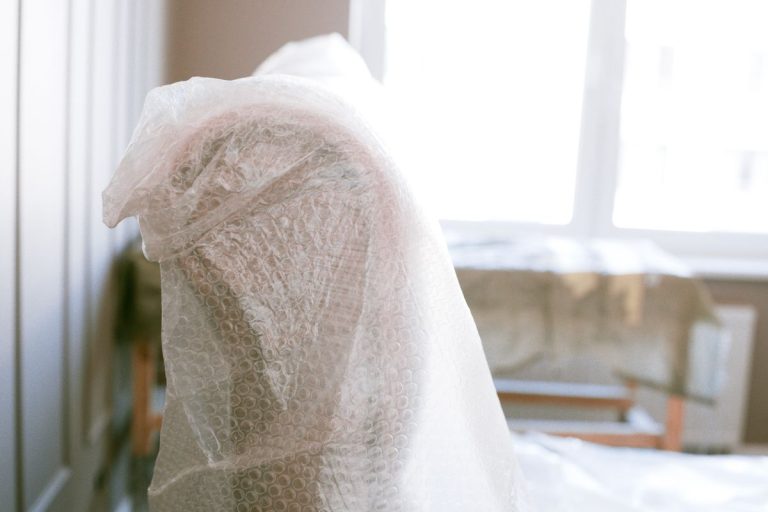
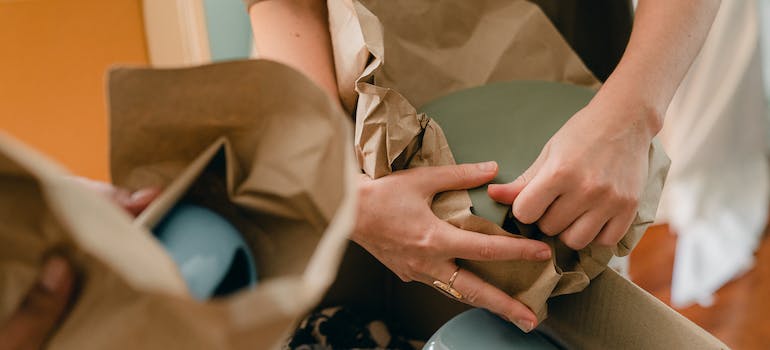
Start with sturdy, size-appropriate boxes and plenty of bubble wrap, packing paper, and foam padding. Wrap each glass and plate individually, stack plates vertically like records, and fill every gap with crumpled paper so nothing shifts. Framed art and mirrors need a layer of bubble wrap and a mirror box or flat picture box — tape an “X” across the glass first so it holds together if it cracks.
For electronics, use the original packaging if you still have it. If not, wrap them in anti-static bubble wrap and cushion the box well. Take a photo of the cable setup before unplugging anything, wrap cords separately, and label them. Mark every one of these boxes “Fragile” and never stack anything heavy on top. For a full office setup with several monitors, routers, and printers, learn how to pack IT equipment step by step.
Moving in Mississippi, Tennessee or Colorado?
Spyder Moving gives free, no-obligation quotes. Licensed, bonded and insured.
Bulky items: furniture and appliances
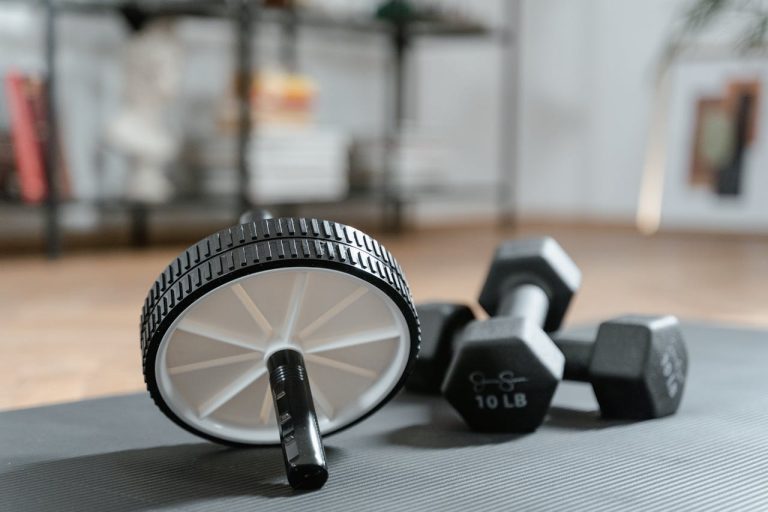
Disassemble what you can — bed frames, table legs, shelves — and keep screws and small parts in labeled zip-top bags taped to the piece they belong to. Clean and dry appliances ahead of time, tape doors and drums shut, and drain fuel from any outdoor equipment. Furniture sliders, a hand truck, and lifting straps handle the weight safely. Pianos are a category of their own, so follow these steps to packing a piano for relocation before moving day. Free weights and exercise machines belong in this group too, so learn how to pack weights for moving before you start boxing up plates and dumbbells.
If a house full of furniture is more than you want to take on, professional packing and unpacking services come with the equipment and the practiced hands for exactly these pieces.
Valuables: jewelry, heirlooms, and documents
Valuables need security, not just padding. Wrap jewelry and small heirlooms individually in soft cloth inside lined boxes, and put personal documents in a waterproof, lockable file holder. Keep all of it with you in your own vehicle rather than loading it on the truck, and photograph each item for your inventory — that record settles any question about condition later.
Special items: plants, food, and hazardous goods
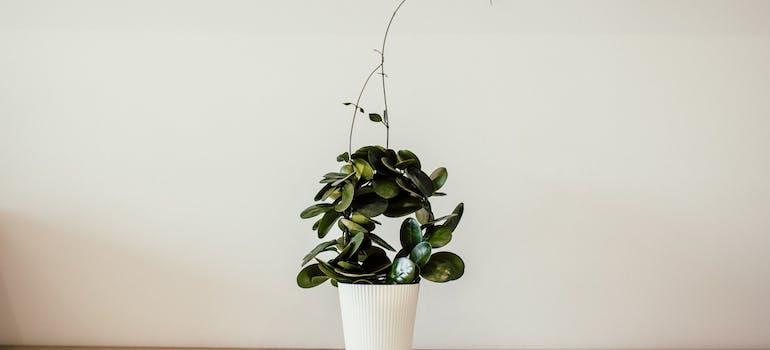
Eat, donate, or toss perishables before moving day, and pack non-perishables in airtight containers. Move houseplants in plastic pots to cut weight, wrap the branches loosely in paper, and give them air and water on longer trips. Hazardous items — flammable liquids, chemicals, propane tanks — are a different story: most movers won’t load them, so transport them yourself in labeled, secured containers or dispose of them properly first.
For items with special handling rules, a packing service in Denver knows the safety standards and legal requirements that apply.
Packing tricks that save time and materials
Use clothing, towels, and linens as free cushioning — they protect your breakables and pack themselves. Stand books upright like on a shelf to spread the weight. For lamps, remove the shade and bulb, wrap the base, and box the shade separately with paper padding. Dresser drawers can travel as-is: pull them out, stretch-wrap the contents, and carry them separately.
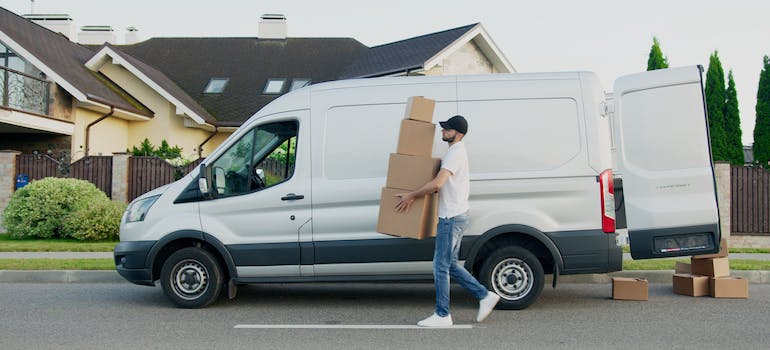
Boxes that are packed smart are also easier to carry and load. Experienced residential movers use these same tricks on every job because they cut both packing time and breakage.
How to pack a pool table for moving
A pool table is one of the hardest items in any house to move. It is heavy, commonly 700 pounds or more, its slate playing surface cracks under uneven stress, and it cannot be moved safely in one piece. Plan on full disassembly and at least four strong helpers.
Tools and materials
You need a power drill with Phillips and flathead bits, a socket wrench set, a flat staple remover, at least six moving blankets, bubble wrap, cardboard for the slate edges, labeled zip-top bags for hardware, ratchet straps, and a dolly rated for heavy loads.
Step-by-step disassembly
- Remove the accessories. Take off the pockets, ball return, and any cue holders, and bag the hardware.
- Remove the rails. They bolt on from underneath; support each rail as the last bolt comes out, then wrap it in a blanket.
- Remove the felt. Pull staples straight up, slowly, or cut a glued seam with a blade held flat against the slate. Roll the felt loosely and never fold it. Torn felt means re-felting before the table is playable again.
- Remove the slate. This is the most dangerous step. Unscrew the panels and lift each one straight up with three or four people, then lay it flat. Never stand slate on its edge.
- Remove the legs once the frame is clear, and bag their bolts separately.
Photograph every stage, because you will need the pictures to put the table back together.
Wrapping, loading, and reassembly
Wrap every component in a moving blanket. Give the slate a second layer of bubble wrap plus cardboard edge protectors, since the corners chip first. Load the slate flat on the truck floor on blankets, the heavy frame pieces next, and the padded rails and legs on top, then strap everything down. At the new home, reassemble in reverse order and level the slate before you replace the felt; even a slight tilt makes balls roll off line.
Bring in professionals if the table is going up or down stairs, has one-piece slate, or is part of a long-distance move, or if you don’t have four people who know what they are doing. When you compare quotes from heavy item movers, confirm that reassembly and re-leveling are included, because some quote disassembly only.
When to call in the pros
Some items simply aren’t DIY jobs. Grand pianos, gun safes, antique furniture, and large art pieces need equipment and technique that no amount of bubble wrap replaces — one wrong angle on a staircase costs more than the packing service would have. The same goes for tight timelines: a crew packs in hours what takes a household days. If you need an extra set of trained hands, moving help in Denver is available for exactly these situations.
Mastering the most difficult items to pack when moving
The most difficult items to pack when moving all yield to the same formula: the right box, generous cushioning, individual wrapping, and honest judgment about what belongs in professional hands. Start with a full set of supplies gathered before you wrap the first glass, work room by room, and keep your valuables with you. Everything else is patience.
FAQs
Freqently Asked Questions
What is the hardest thing to pack when moving?
Glassware and dishes cause the most breakage, but pianos, safes, and large appliances are the hardest overall — they combine extreme weight with fragile parts. For those, professional equipment like piano boards and appliance dollies makes the difference between a safe move and expensive damage.
How do you pack a TV without the original box?
Wrap the screen in a soft blanket or foam sheet (never paper directly against the screen), add a layer of bubble wrap, and slide it into a flat TV box sized to fit. Keep the TV upright at all times — never lay it flat — and transport it wedged between soft, stable items.
Should you tape mirrors before moving?
Yes. Tape an X across the glass with painter’s tape before wrapping. The tape won’t stop a crack, but it holds the glass together and dampens vibration, which makes shattering far less likely. Then wrap in bubble wrap and use a mirror box.
What items will movers not pack or transport?
Movers generally refuse hazardous materials: flammable liquids, propane tanks, chemicals, paint, ammunition, and fireworks. Most also decline perishable food and living things, and recommend you personally carry jewelry, cash, and important documents. Plan to transport these yourself or dispose of them before moving day.
Free, no-obligation estimate
Get your free moving quote
Tell us where you are moving from and to, and our team will get back to you with a quote. Serving Mississippi, Tennessee and Colorado. Prefer to talk? Call (800) 221-3560.
"*" indicates required fields