The Science Behind Shockproof Packing Materials and Techniques

Protecting fragile items during a move is important to avoid damage. Many household items, like glassware, electronics, and artwork, can be easily damaged by shock, vibration, and pressure. Without the right packing methods, these items can shift, crack, or break. Moving to Denver adds extra challenges, with its high-altitude climate affecting materials like wood and electronics. Bumpy roads and elevation changes can increase movement inside the moving truck. To keep your items safe, it helps to understand the science behind shockproof packing materials and techniques. If you need extra help you can always count on professionals like Spyder Moving and Storage CO to use high-quality packing methods to ensure your fragile belongings make it safely to your new Denver home.
Understanding shock, vibration, and pressure in transit
During a move, boxes can move around a lot. They experience vibrations from the truck, sudden stops, and shifts from turns. This can weaken boxes that aren’t packed well and cause items inside to collide. Boxes can also get damaged if they’re dropped or stacked with too much weight. Pressure from stacking heavy items, like furniture, can be a concern too. This is where shockproof packing materials and smart techniques come in, because fragile items need protection from all of these risks. Lots of movers in the Denver area highlight the importance of using the right packing materials to avoid damage. With proper packing, you can reduce the chances of your items breaking during the move.
How fragile items react to impact and vibration
Fragile items break easily because they can’t absorb force well. For example, glass and ceramics crack when hit suddenly. Electronics have sensitive parts that can come loose from too much vibration. Artwork, mirrors, and musical instruments can get damaged or bent if not packed properly. How easily an item breaks depends on its material and shape. A flat piece of glass is more likely to break than a curved plate. Smaller electronics might handle pressure better than bigger ones with exposed parts. Experienced apartment movers from Denver usually recommend using the right packing materials for each item based on its weaknesses to keep everything safe during the move.
The science behind shockproof packing materials
The science is simple: shockproof packing materials protect items by either absorbing or spreading out force. Soft materials like foam and bubble wrap absorb impact by compressing when pressure is applied. Stiff materials, like corrugated cardboard, spread out the force over a larger area to reduce stress. The best shockproof packing techniques use both types of materials to protect items. A good packing job includes an outer layer to absorb impact and an inner cushion to keep the item steady. Professional local movers in Denver CO often suggest using these techniques to prevent damage during a move. Choosing the right materials for each item can make a big difference in keeping your things safe.
Foam-in-place packing
Foam-in-place packing is a method that creates a custom cushion around an item. Foam is sprayed into a bag or box, and it expands to mold around the item’s shape. This is a great option for delicate or oddly shaped things. The foam fits tightly, holding the item in place and offering good protection from shocks. This method is often used for fragile electronics, valuable collectibles, and antiques. It works well because it helps prevent the items from shifting around during the move, reducing the chance of damage. Foam-in-place packing is especially useful for items that don’t fit easily into standard boxes. An empty glass tank is a good example, and packing and moving an aquarium calls for the same careful cushioning on every side.
Air-cushion wrapping and other shockproof packing materials
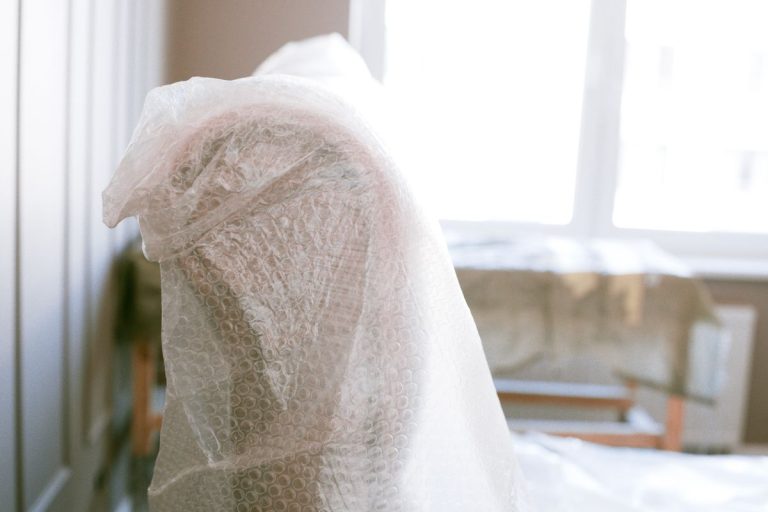
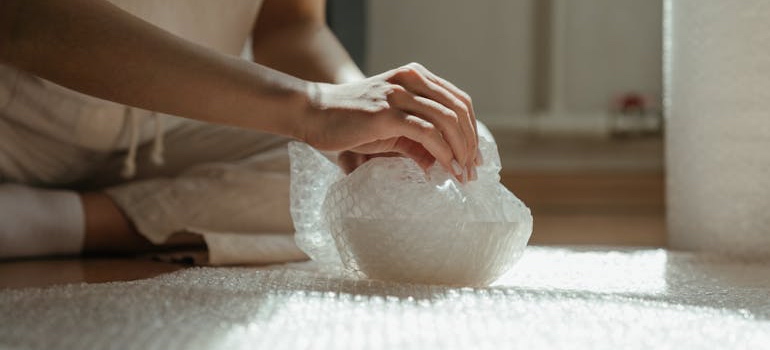
Bubble wrap and inflatable air cushions are popular shock-absorbing materials because they are lightweight and absorb shocks well. The air trapped inside these materials compresses when pressure is put on them, helping to spread out the impact. Bubble wrap works best for wrapping smaller or medium-sized fragile items like glassware or electronics. Inflatable air cushions are useful for filling empty spaces inside a box to keep items from moving around. Both materials are cost-effective ways to prevent damage from impact during a move. Combined with good wrapping techniques, these shockproof packing materials protect your things without adding too much weight to the boxes.
Corrugated cardboard: sturdy shockproof packing materials
Corrugated cardboard shows the science of shockproof packing materials at work, since its layers make it strong and flexible. The wavy layer inside, called fluting, acts like a cushion, absorbing pressure and protecting the items inside. Double-walled boxes are even stronger than single-walled ones. They’re less likely to collapse under pressure, which makes them better for heavier or fragile items. Choosing the right box strength is important to avoid damage. For heavier items or things that need extra protection, double-walled boxes are the best choice. Using the right type of box helps keep everything safe during a move. You have to pick the right box for each item to avoid accidents.
Packing peanuts vs molded pulp: which materials are more shockproof?
Loose-fill materials like packing peanuts create air pockets around items to protect them, but they can shift inside the box, which leads to uneven protection. Molded pulp packaging is a better option. It’s made to fit specific shapes, providing more stable protection. Unlike packing peanuts, which need a lot of material to be effective, molded pulp needs less material while still offering strong protection. This makes it a more reliable choice for fragile items. If you’re unsure about what materials to use, a packing service in Denver can help you choose the right options to ensure your items are safe during the move.
Packing materials that keep electronics shockproof
Electronics are very sensitive to impact, vibration, and static electricity. Using protective packing, like anti-static foam or bubble wrap, helps prevent damage from static discharge. Foam inserts are a great way to keep electronics secure. These pre-formed cushions fit around devices like TVs, computers, and gaming consoles, stopping them from moving too much inside the box. Properly sealing electronics and clearly labeling the boxes also helps make sure they’re handled safely during the move. Taking these steps will keep your electronics safe from bumps, vibrations, and static that could cause damage.
Shockproof packing techniques for glassware and ceramics
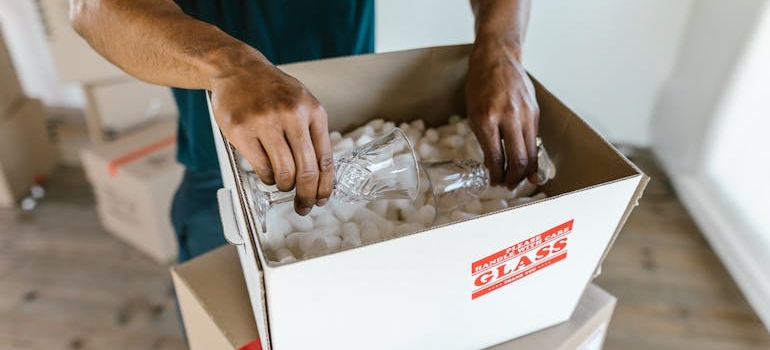
When packing glassware, it’s important to layer items to keep them from touching each other. Wrap each piece individually and use cardboard dividers inside the box to prevent them from shifting. Soft padding materials like packing paper or foam sheets can help create a cushion between each item. Don’t overfill the boxes, as too much pressure can make the glass crack. It’s best to make sure the items fit snugly but not too tightly. Giving them a little room to move helps avoid damage, but make sure nothing can shift around too much. Proper packing will keep your glassware safe during the move.
Protecting artwork and mirrors
Artwork and mirrors need special care because they’re fragile and can be big. Corner protectors help prevent chips, and foam board or cardboard sheets add extra support. Soft materials like moving blankets protect the surface from scratches, while stronger outer layers, like wooden crates, provide more structure and protection. Using a mix of soft and hard materials is the best way to keep them safe. The right protection helps avoid damage to the edges, surface, and overall structure. When packing these items, it’s important to make sure they are well-protected on all sides. This will help ensure they arrive at your new place without any damage.

Climate considerations for moving to Denver
Denver’s dry climate can affect how items handle a move. The dry air can cause wood furniture to shrink and electronics to build up static. Changes in temperature can also harm delicate items. To protect your belongings, using moisture-resistant packing materials, like plastic wrap or silica gel packets, is a good idea. These materials help keep moisture out and reduce the risk of damage. For sensitive items, it’s best to use climate-controlled moving trucks to avoid temperature damage. When packing for a move in Denver, it’s important to think about the weather and use sturdy, impact-resistant packing to protect your things from the elements.
Shockproof packing materials for furniture and large items
Furniture and large items need special packing. Moving blankets are good for cushioning, and stretch wrap helps secure drawers and delicate surfaces. For valuable or antique furniture, custom crating is the best option. Wooden crates apply the same science as other shockproof packing materials, and crating techniques give extra protection against bumps and pressure. Experienced appliance movers from Denver often advise their clients to use these methods to ensure items are safe. Wrapping and crating these items correctly helps avoid damage during transport. Taking extra steps with large or fragile furniture will make the move smoother and protect your valuable pieces.
Packing for long-distance vs local moves
Long-distance moves put items through more vibration and handling, so extra padding is needed. Securing loose items inside boxes can help prevent damage. For local moves, fewer layers of protection might be enough, but it’s still important to pack items well inside the truck. Professionals from various long distance moving companies in Denver often remind their clients to stack heavier boxes at the bottom and spread out the weight evenly. This prevents too much pressure on fragile items. Proper packing and careful loading help reduce the risk of damage, whether you’re moving across town or far away. Make sure everything is packed securely to avoid problems.
Labeling and handling instructions for fragile items
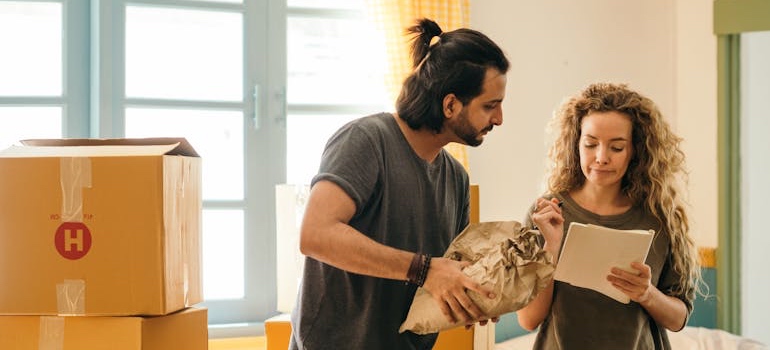
Proper labeling helps movers handle boxes carefully. Writing “Fragile” and “This Side Up” on boxes makes it clear that they need special attention. Giving clear instructions like “Do Not Stack” or “Keep Upright” tells movers how to place the boxes in the truck. This helps prevent rough handling and ensures the items are moved the right way. Using shock-absorbing supplies also helps protect your belongings, but labeling is an important part of the process too. Clear labels make it easier for movers to know what’s inside and how to treat it. This small step can really reduce the chances of damage during your move.
Common packing mistakes that lead to damage
One of the biggest packing mistakes is overfilling a box. Putting too much weight in a box can cause it to collapse, and too much pressure can break fragile items. Another mistake is using the wrong packing materials. For example, regular newspaper doesn’t offer enough protection for delicate items. Instead, you should use proper packing materials like bubble wrap or foam. These materials help keep your items safe. If you need extra help, you can always get moving help in Denver. They can assist with packing and make sure everything is protected properly. Taking time to pack right can save you from costly damage.
Testing your packing job before the move
To test if a box is packed well, gently shake it. If the items move inside, you need more padding. Another way to check is the compression test. Press on the box to see if it gives too much. If the box moves too much or feels soft, it’s not packed properly. Before sealing the box, make any needed adjustments. The items inside should not shift around, and the box should hold its shape when pressed. This will help make sure the box can handle the trip without damaging the items inside. It’s always good to check your packing before you close up the box. Of course, none of this works if you run out of materials, so here is what to buy before you start.
Packing supplies checklist: the best packing materials for a long-distance move
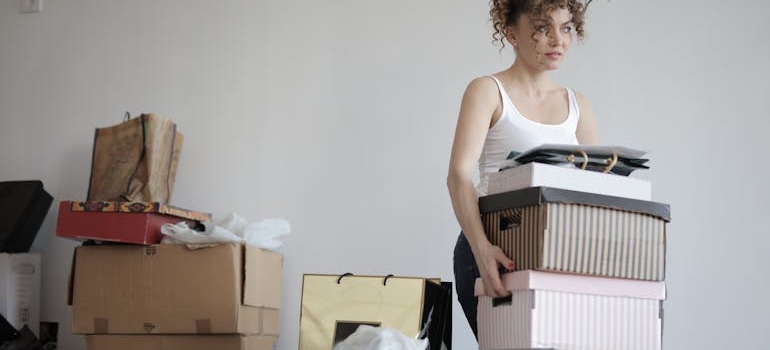
Knowing how shockproof materials work is only useful if you have enough of them on hand. The best packing materials for your long-distance move are not exotic: sturdy boxes in several sizes, good tape, cushioning, labels and furniture protection. Running out halfway through is the most common packing mistake, so use this packing supplies checklist before you wrap the first plate.
The full checklist
- Boxes: small (books, tools), medium (kitchenware, toys), large (bedding, lampshades), extra-large (pillows, comforters), plus specialty boxes: wardrobe, dish pack, and TV or mirror boxes.
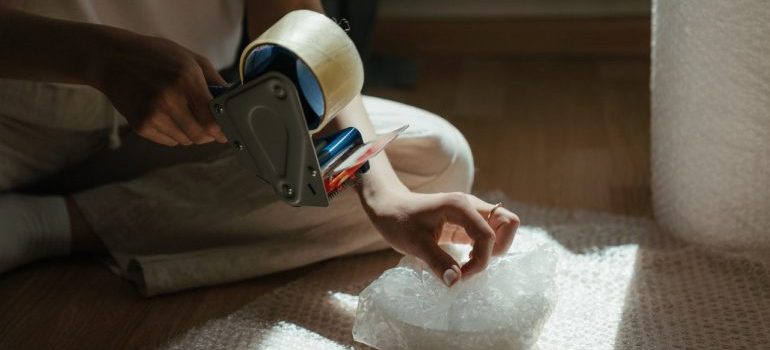
- Tape: several rolls of packing tape, a tape gun or dispenser, and painter’s tape for temporary labels. Seal every box bottom with at least two strips and tape both seams on anything heavy.
- Cushioning: bubble wrap, packing paper, foam pouches for plates and glasses, and packing peanuts or air pillows for odd-shaped gaps. Use paper as the workhorse and save bubble wrap for glass, electronics and anything sentimental.
- Labeling: permanent markers in two colors, color-coded labels (one color per room), and a notebook or phone app for a numbered box inventory.
- Furniture protection: stretch wrap, mattress bags, sofa and chair covers, and moving blankets.
- Tools: box cutters, scissors, zip-top bags for screws and cables, work gloves, furniture sliders, and rope or ratchet straps.
How many moving boxes do you need?
Box counts depend on square footage, how long you have lived in the home and how much you declutter first. Expect anywhere from a few dozen boxes for a studio or one-bedroom to well over a hundred for a large family home. Two adjustments make your estimate more accurate: decluttering before you pack cuts the count noticeably, and basements, attics and garages add far more than people expect, so count them separately. When in doubt, buy more than you think you need and return or give away the extras. If you would rather not guess, residential movers calculate your box count during an in-home or virtual estimate. Remember that heavy items go in small boxes and light items in large ones; distributing weight properly in boxes and the truck prevents blown-out bottoms and crushed belongings.
Where to get packing supplies for less
Free boxes are easy to find once you know where to look. Grocery stores, liquor stores and bookstores break down sturdy boxes daily and usually hand them over if you ask, and neighborhood groups and online marketplaces are full of people giving away their entire supply the week after they move. Friends and coworkers who moved recently are the fastest source of all. Towels, blankets and cotton T-shirts make excellent free padding and pack themselves at the same time.
Inspect every used box before you trust it. Soft corners, water stains or a musty smell mean the cardboard has lost its strength: fine for towels, risky for dishes. Buy new boxes for fragile and valuable items, because a long-distance move puts every box through hundreds of miles of road vibration and worn cardboard fails at the worst possible moment. Mirrors, TVs, lamps and stemware are among the items that require extra care when packing, and specialty boxes for them cost only a little more than standard ones. If you come up short during packing week, your movers can usually bring boxes, tape and wrap straight to your door with the crew.
Moving in Mississippi, Tennessee or Colorado?
Spyder Moving gives free, no-obligation quotes. Licensed, bonded and insured.
Using shockproof packing materials and techniques can keep your stuff safe
Understanding the science behind shockproof packing materials and techniques can help prevent damage during your move. Using the right materials and securing items properly is important to protect fragile belongings. For people moving to Denver, it’s also important to think about the climate and road vibrations that could affect your items. Professional movers with experience in packing fragile items can make the process easier and give you peace of mind. They know how to pack items safely and avoid damage during transport. Don’t forget to look into additional insurance coverage options if your current policy doesn’t cover all of your items. Taking the time to choose the right packing materials and techniques now can save you money and trouble later.
Free, no-obligation estimate
Get your free moving quote
Tell us where you are moving from and to, and our team will get back to you with a quote. Serving Mississippi, Tennessee and Colorado. Prefer to talk? Call (800) 221-3560.
"*" indicates required fields