The Pros and Cons of Warehouse Storage?

Key takeaways
Warehouse storage means staff log, handle and store your goods while you schedule access, which suits long-term household storage and business inventory. Drive-up units are cheaper per square foot and let you park at the door but usually have no climate control, while indoor self-storage units sit in between. The right choice depends on how long you store, how often you need access and how sensitive your items are to heat and humidity.
Warehouse storage, drive-up units and indoor self storage all keep your things off-site, but they work very differently. In a warehouse, staff handle, log and store your items and you schedule access. In a drive-up or indoor self-storage unit, you rent the space, hold the key and do the loading yourself. Which one is right depends on what you are storing, for how long and how often you need to reach it. This guide covers the real pros and cons of each, the main types of warehouses, and what to ask about insurance before you sign, with notes from Spyder Moving and Storage, a licensed mover with offices in Mississippi, Tennessee and Colorado.
How does a storage warehouse work?
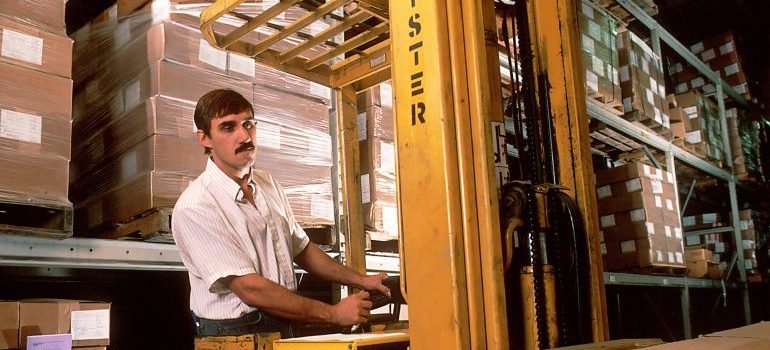
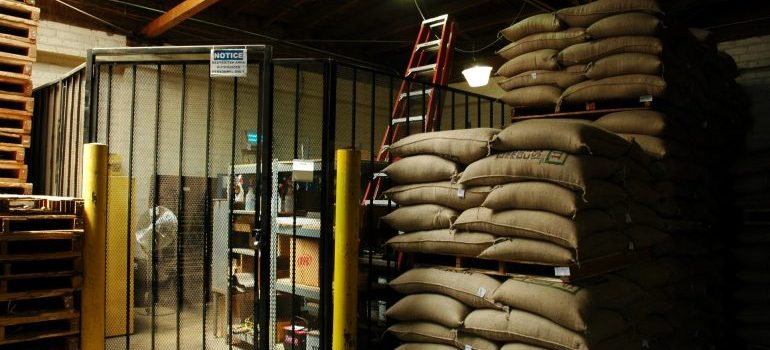
A storage warehouse is a large indoor building run by a storage operator, a logistics company or a moving company. Instead of renting a unit with your own door, you hand your goods over. Staff record what comes in, place it on pallets, racks or in wooden storage vaults, and bring it out again when you ask for it. Households use warehouses for long-term storage during a relocation or a gap between homes. Businesses use them for inventory, office furniture, records and equipment.
The key difference from self storage is control. You don’t drive up and open a door; you request access or a delivery, often with some notice. In return, you don’t have to load, stack or move anything yourself, which matters when the goods are heavy, bulky or numerous. If you are relocating a business, ask whether the warehouse can work with your movers, so the same crew that packs the old premises delivers straight to storage. Spyder’s Memphis movers and other offices can coordinate the move and the storage as one job.
Warehouse vs drive-up vs self storage: which one fits your needs?
Warehouse storage is one of three common options. The table compares them on the points that usually decide the choice:
| Feature | Warehouse storage | Drive-up storage unit | Indoor self-storage unit |
|---|---|---|---|
| Who loads and handles items | Warehouse or moving company staff | You (or movers you hire) | You, via hallways, carts or elevators |
| Access | Scheduled, often with advance notice | Direct from your vehicle during facility hours | During facility hours, through the building |
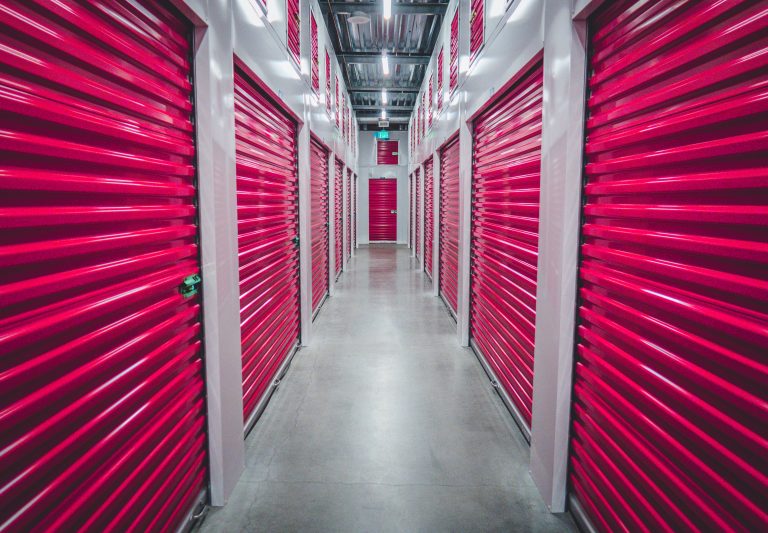
| Climate control | Varies by building; ask | Usually none | Often available as an option |
| Inventory record | Kept by the warehouse | Your responsibility | Your responsibility |
| Best for | Long-term storage, business inventory, storage between moves | Bulky items, tools, frequent short visits | Household goods, documents, items sensitive to heat |
| Main drawback | Less hands-on control and slower access | Dust, heat and cold reach the unit | Loading takes longer than at a roll-up door |
Before you rent anything, ask whether you need off-site storage at all. Many people rent a unit for the reasons covered in our guide on why people rent storage units, but for a small amount of sturdy items, the pros and cons of using your basement as storage may tip the balance toward keeping things at home.
What are the pros and cons of warehouse storage?
The short version: a warehouse trades convenience of access for professional handling and less work on your side. Here is how that plays out.
Pros of using a warehouse
- No loading or stacking on your part. Staff or movers handle every piece, which reduces the risk of injury and of crushed boxes.
- Inventory is tracked for you. Items are logged when they arrive, so you can request specific pieces instead of searching a unit.
- Easy pairing with a move. Goods can go from your old home or office into storage and out to the new address without you renting a truck twice.
- Space that scales. Businesses can add or reduce space as stock levels change, instead of renting extra units.
- Controlled building. Access is limited to staff, which keeps foot traffic away from your goods.
Cons of using a warehouse
- Less control over access. You usually can’t drop by on a Sunday evening to grab one box; retrieval is scheduled.
- Possible handling fees. Some providers charge for each delivery or retrieval on top of the storage rate, so ask how pricing works before you commit.
- Not ideal for frequent use. If you need something weekly, a drive-up unit is more practical.
- Climate control is not a given. A large building is more stable than an outdoor unit, but it is not automatically heated, cooled or dehumidified. Ask.
- Coverage limits. The warehouse’s liability for damage may be limited, so check what is covered and at what value.
For most households, a warehouse makes sense when the storage period is long and access is rare. For businesses, it makes sense when the volume is large or when goods need to move in and out on a schedule.
What types of warehouses are there?
Not every warehouse takes household goods. These are the three types you will hear about most often.
Public warehouse
A public warehouse rents space to any business or individual, usually by the pallet, square foot or vault. It is the type most small businesses use, because they get professional storage without owning or staffing a building. Moving and storage companies typically offer a version of this for household goods.
A related term is contract warehousing: a business signs a longer agreement with a third-party warehouse that stores and often ships its goods. The advantage is predictable costs and staff you don’t have to hire; the disadvantage is being tied to a contract and to that provider’s processes.
Private warehouse
A private warehouse is owned or leased by one company and used only for its own goods, such as a manufacturer or retailer with steady, high volume. It gives full control over the building and staff, but it is a major fixed cost and only pays off at scale.
Bonded warehouse
A bonded warehouse is a facility authorized by U.S. Customs and Border Protection where imported goods can be stored before duty is paid. Duty is due when the goods are withdrawn for sale in the U.S.; goods exported again are not charged U.S. duty. Under federal customs regulations (19 CFR 144.5), merchandise generally may not stay in a bonded warehouse for more than five years from the date of importation. This option is for importers, not for household moves.

How do you choose where your goods are stored?
Location affects cost and access more than most people expect. A warehouse outside the city center usually costs less, but every retrieval takes longer. For a household, the best location is usually close to the new home, so delivery after the move is quick. For a business, it is close to the customers or job sites the goods serve.
Questions worth asking any warehouse:
- How much notice do you need for access or a delivery, and is there a fee?
- Are goods stored on pallets, on racks or in sealed vaults?
- Is the building heated, cooled or dehumidified?
- What security is in place, and who can enter the storage area?
- What is your liability for damage, and how is an item valued?
Proper packing matters as much as the building. Goods that go into long-term storage should be wrapped and boxed for it, and a professional packing and unpacking service saves time when there is a lot to prepare.
What are the pros and cons of drive-up storage?
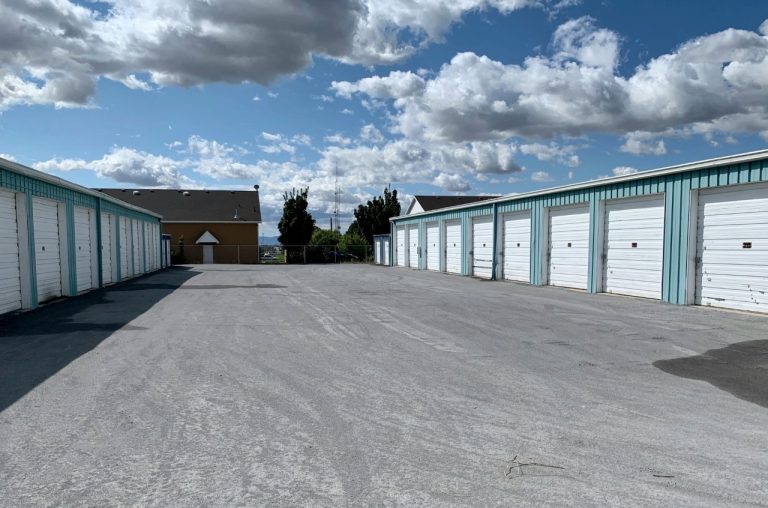
A drive-up storage unit is a single-story, garage-style space you open directly from outside, so you can park at the roll-up door and unload straight from your car or truck. The door is wide enough for sofas, appliances and equipment. The pros and cons of drive-up storage come down to one trade-off: convenience and cost on one side, climate and dust protection on the other. Some facilities put the units under a covered drive-through aisle, which adds rain protection without losing the direct access.
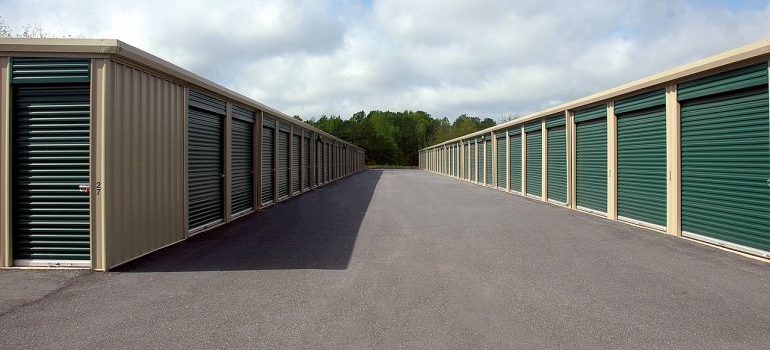
Pros of drive-up storage
- Vehicle-level access. No elevators, hallways or carts, so loading mattresses, washers and bikes is much faster. Heavy item movers can go straight from the truck into the unit.
- More space for the money. Drive-up units are generally larger than similarly priced indoor units, and they are often the only type tall enough for a vehicle, boat or oversized equipment.
- Useful during a move or renovation. If move-out and move-in dates don’t line up, a drive-up unit is an easy place to stage furniture, and local movers in Memphis or elsewhere can load it straight from the truck.
- Works for business use. Contractors, retailers and small businesses use drive-up units for tools, equipment and seasonal stock.
Cons of drive-up storage
- Dust and weather. Roll-up doors are not airtight, so dust, pollen and moisture get in. Cover upholstered pieces with furniture blankets and use sealed bins for longer rentals.
- Usually no climate control. Temperatures inside follow the weather outside. That is fine for metal tools, garden gear, plastic bins and non-upholstered furniture, but not for electronics, wood instruments, antiques, artwork, photos, documents, wine or leather. In a hot, humid climate, also review the items to keep out of summer storage in Mississippi.
- Perimeter exposure. Drive-up units sit on the edge of the property. Check for fencing, keypad gate access with logs and video surveillance.
Pros and cons of a public storage unit rental
A public storage unit rental is the everyday self-storage option most households use, short-term during a move or long-term as a second garage. The upsides:
- Size choice: from a closet-sized unit for a few boxes to one that holds the contents of a whole house.
- Security: well-run facilities have gated entry, cameras, on-site staff and doors you lock with your own lock.
- Location: you can rent close to home or in the city you are moving to; units outside the city center usually cost less.
- Access: you come and go during facility hours without booking, though some facilities close overnight.
The downsides are mostly about responsibility. Poorly run sites can have pest and moisture problems, so read reviews and visit before you commit. Once you’re in, everything behind the door is on you: pack in sturdy boxes (be careful when reusing packing supplies), label clearly, keep items off the floor and use moisture absorbers. Never store flammables, chemicals or food. If you know you’ll need the unit for a long time, ask whether the facility discounts longer prepaid terms.
What are the benefits of commercial storage for a small business?
The benefits of commercial storage are that a small business gets secure space for office furniture, records, excess inventory or equipment without leasing a bigger building. That is especially useful during an expansion or a relocation. The benefits fall into three groups:
- Security: surveillance, controlled access and protection from the damage a cluttered back room invites.
- Organization: archived paperwork and seasonal stock stay findable instead of piling up in the office.
- Flexibility: you pay for the space you need now and adjust it as the business changes.
Spyder Moving and Storage’s storage services can be booked together with commercial moving, so inventory goes from the old premises into storage and out again when the new space is ready.
How are goods insured and protected in a warehouse?
Don’t assume that “stored with professionals” means “fully insured.” A warehouse or storage company is usually liable only up to a limit, and that limit may be based on weight or a set value rather than what your items are worth. Ask for the coverage terms in writing and keep your own inventory with photos.
Your homeowners or renters policy may help. According to the Insurance Information Institute’s guide to self-storage insurance coverage, some standard policies extend to items kept off-premises for theft and listed perils such as fire, but they typically exclude flood, mold and mildew, and vermin, and limits vary by insurer. If what you store is valuable, a separate policy or a floater may be worth the cost.
On security, ask who can enter the storage area, whether access is logged, and whether the building has cameras and fire protection. With those answers and the comparison above, choosing between warehouse storage, a drive-up unit and indoor self storage becomes a simple match between your goods and the level of access you need.
If you are planning a move and need somewhere to keep your belongings in between, Spyder Moving and Storage can pack, move and store them as one job, and our commercial movers in Memphis handle business relocations with storage too. Request a free estimate and tell us what you need to store and for how long.
Frequently Asked Questions
What is warehouse storage?
Warehouse storage is a service where a storage, logistics or moving company keeps your goods inside its building, logs them and handles every piece, while you schedule access or deliveries instead of opening a unit yourself. It is commonly used for long-term household storage during a move and for business inventory. Spyder Moving and Storage's storage services can be combined with your move.
What are the advantages and disadvantages of warehousing?
The main advantages of warehousing are professional handling, an inventory kept for you, space that scales with your needs and easy pairing with a move. The main disadvantages are scheduled rather than instant access, possible handling fees per retrieval, and liability limits that may not match the value of your goods.
What is a drive-up storage unit?
A drive-up storage unit is a ground-level, garage-style unit with a roll-up door that you can park right next to, so you load directly from your vehicle without hallways or elevators. It is usually the cheapest option per square foot, but most drive-up units are not climate-controlled.
What are the pros and cons of storage units?
Storage units give you flexible sizes, access during facility hours and a lock only you control, which makes them practical during a move or renovation. The trade-offs are that you do all the packing, loading and checking yourself, and standard units follow outdoor temperatures, so heat- and moisture-sensitive items need a climate-controlled unit.
What are the disadvantages of a public storage unit?
The main disadvantages of a public storage unit rental are that everything inside is your responsibility and that poorly run facilities can have pest or moisture problems. Read reviews, visit the site, check gate access and cameras, and confirm what your insurance covers before you move anything in.
Are self-storage units safe for household goods?
A well-run self-storage facility is generally safe for household goods if it has a fenced perimeter, logged gate access, video surveillance and units you lock yourself. Safety also depends on what you store: never keep flammables, chemicals or food in a unit, and keep sensitive items in climate-controlled space.
Free, no-obligation estimate
Get your free moving quote
Tell us where you are moving from and to, and our team will get back to you with a quote. Serving Mississippi, Tennessee and Colorado. Prefer to talk? Call (800) 221-3560.
"*" indicates required fields