
Expert Packing Tips for Partial Moves and Minimalist Relocations

Key takeaways
A partial household move relocates only some of your belongings, such as a few rooms or everything except what goes to storage, while a minimalist relocation takes only the items you use. Sort everything into take, store, and let go, declutter at least four weeks ahead, and label each box with its destination, including a separate label for storage. Partial packing lets movers pack only the fragile or hard-to-pack items while you pack the rest.
A partial move means relocating only part of a household, such as a few rooms, the items one family member needs, or everything except what goes into storage, while a minimalist relocation means taking only the belongings you actually use. Both work best with the same approach: sort everything into take, store, and let go, pack only the essentials, and label every box so a small shipment stays easy to track. This type of move suits people who are downsizing, relocating temporarily, moving in stages, or simply wanting to own less. Whether you’re moving to a smaller apartment in Denver or clearing out before a long-distance move, smart planning and help from a company like Spyder Moving and Storage make the process easier.
What is a partial household move?
A partial household move is any move where only some of your belongings go to the new home. Common examples include a family member moving ahead for a new job while the rest of the household follows later, a student taking one bedroom’s worth of furniture, a couple combining two homes and moving only the better pieces, or someone downsizing who sends extra furniture to storage. The moving crew handles a smaller load, and you decide exactly what is on the truck.
Because the load is small, planning matters more, not less. Every box should have a clear destination, items that stay behind need to be kept apart from items that go, and anything headed to storage should be packed for a longer stay. A good packing plan also saves money because you use fewer materials, need less truck space, and may need a smaller storage unit. Before the crew arrives, mark every item that is not moving and walk through the list with Spyder’s Denver movers, so nothing is loaded by mistake.
Partial move, minimalist relocation, or full move?
| Type of move | What moves | Typical situation | What helps most |
|---|---|---|---|
| Partial move | Selected rooms or items; the rest stays or goes to storage | Moving in stages, combining homes, temporary job relocation | Clear “moving / staying / storage” labels, a written list for the crew |
| Minimalist relocation | Only essentials and items you use regularly | Downsizing, smaller apartment, simplifying | Decluttering early, multipurpose furniture, fewer but well-packed boxes |
| Partial packing | Everything moves; movers pack only selected items | You pack clothes and books, pros pack the kitchen and fragile pieces | Deciding in advance which rooms or items the crew packs |
| Full move | The entire household | Standard relocation to a home of similar size | A full packing timeline and room-by-room labeling |
What is partial packing and when does it make sense?
Partial packing is a moving service in which the movers pack only the items you choose, and you pack everything else yourself. Most people hand over the items that are hardest to pack well: the kitchen, glassware and dishes, artwork, mirrors, and electronics. Clothes, books, linens, and toys are easy to do yourself in the weeks before the move.
It makes sense when you have the time to pack most of the house but don’t want to risk breaking the expensive or sentimental pieces, or when you’re running short on time near moving day. If you want this kind of help, ask for packing and unpacking services for specific rooms when you request your estimate, and list exactly which items you want packed.
Packing fragile items for small moves
Fragile items need extra care whether you or the movers pack them. Wrap glassware, dishes, and electronics one by one in bubble wrap or packing paper. Stand plates on edge in the box with dividers or paper between them, which supports them better than stacking. For larger fragile items like mirrors, artwork, or flat-screen TVs, use special boxes or extra padding. Mark these boxes “Fragile” so they’re handled carefully. If you’d rather leave this part to professionals, a packing service in Denver can pack just the fragile items as part of a partial packing job.
How do you plan a minimalist move?
Moving as a minimalist starts weeks before the first box is packed. The goal is to arrive with only what you need and use, which means making decisions about every item before moving day instead of after.
Assessing your inventory
Start by taking a detailed look at your belongings. Ask yourself:
- What do I need for my new space?
- What items hold sentimental or functional value?
- What can be replaced or borrowed instead of moved?
Create three categories: items to take, items to store, and items to let go of. For partial moves, prioritize necessities and sentimental items, and leave non-essential or bulky belongings in storage. Measure the rooms in your new home if you can, so you don’t move furniture that won’t fit.

Decluttering before the move
Go through your belongings and set aside things you haven’t used in a long time. You can sell valuable items you no longer need on sites like Facebook Marketplace or Craigslist. For donations, the Denver area has many charities and thrift stores that accept gently used furniture, clothes, and household goods; Habitat for Humanity of Metro Denver, for example, runs ReStores in Denver, Littleton, Arvada, and Aurora and can schedule donation pickups. Recycle or properly dispose of anything broken. Residential movers in Denver will tell you the same thing: the fewer items you move, the faster and simpler the move.
Researching storage and moving options
If you’re keeping some belongings but not moving them right away, compare your options before you book. Some people want a mover who handles small and partial moves, others want portable storage, and others want the crew to take part of the load to a storage unit and the rest to the new home. If you need temporary storage, look for a facility close to your new home, and choose climate-controlled storage for electronics, wood furniture, and anything sensitive to temperature swings. Local movers in Denver can combine the move and storage so you deal with one company instead of two.
Planning your packing timeline
Start at least four weeks before moving day and break the work into small tasks: decluttering, buying packing supplies, and packing one room or category at a time. A checklist helps you keep track of what’s done and what still needs to be finished, and a few minutes each day keeps the last week from feeling rushed. Leave the heaviest items, like the refrigerator or washer, to Denver movers who handle appliances, so you don’t have to move them yourself.

How do you pack smart for a partial or minimalist move?
Once you know what’s moving, the packing itself is about protecting fewer items well and keeping them easy to find.
Choosing the right packing supplies
Get strong moving boxes, bubble wrap, packing tape, and furniture covers. For a more eco-friendly option, use biodegradable packing peanuts or rent reusable plastic bins instead of buying new boxes. Second-hand stores and online marketplaces are good places to find used boxes at a lower cost. When the boxes are empty, there are plenty of smart uses for your packing materials after the move, from reselling to recycling.
Packing smart with the essentials-only rule
Pack only what you’ll need in your new home: clothing you actually wear, toiletries, basic kitchen items, and important documents. Choose multipurpose items, such as collapsible furniture or appliances that do more than one job, which are a natural fit for minimalist relocations. If you’re unsure what to bring, or you’re moving out of state, Spyder’s Denver moving crew can talk you through it, and our long-distance moving service covers moves beyond the metro area.
Maximizing space in boxes
Use all the space in each box. Fill gaps with soft items like towels or clothing so things don’t shift. Always pack heavier items at the bottom and lighter ones on top. Vacuum-seal bulky items like bedding or winter coats to save space, and group similar items together so unpacking goes faster.

Labeling and inventorying boxes
Use a clear system: write the destination room on each box or use color-coded tape by room. Write a short note about what’s inside so you don’t have to guess later. On a partial move, add a third label for anything going to storage, so it’s loaded separately. A simple spreadsheet or app works well for tracking, and our guide to creating an inventory system while packing shows how to set one up.
Strategies for packing furniture for partial moves
Take apart big furniture like tables or bed frames to save space and prevent damage. Put screws, bolts, and assembly instructions into plastic bags and tape the bags to the furniture so they don’t get lost. Use furniture pads or blankets to protect surfaces from scratches. For minimalist moves, think about leaving behind large furniture that won’t fit the new space and keeping smaller, more useful pieces. Our full guide to packing furniture for moving covers each type of piece.
Packing for temporary relocations
Temporary moves call for lightweight, portable items that serve more than one purpose, such as a foldable desk or an all-in-one cooking appliance. Pack only the clothing and personal items you’ll need for the time you’ll be staying. The less you bring, the faster it is to settle in and to move out again. The same idea applies to the pantry, so use up what you can and follow these tips to pack your food when moving.
Organizing seasonal and specialized items
Seasonal and specialized items, like winter clothes or sports gear, need a plan. If you’re moving to Denver, think about which items you’ll need in the first weeks. Pack off-season items, like summer clothes or holiday decorations, in labeled bins to keep them easy to find but out of the way. For big or rarely used items, like skis or camping gear, storage may be the better option. Our tips on packing seasonal decorations for a move help with the holiday boxes.
How do you load and keep track of a small move?
A small load still needs to be loaded with care, because a half-empty truck or van gives boxes more room to slide.
Streamlining loading and transport
Put the heaviest items on the floor of the truck or storage unit and stack lighter boxes on top. Spread the weight evenly and fill gaps with soft items so the load can’t shift. If you’re using a portable storage unit, stack boxes and furniture tightly to make the most of the space. Check parking at both addresses ahead of time so the truck can get close to the door. If you’d rather not load it yourself, you can find moving help in Denver for just the loading and unloading.

Keeping essential documents and valuables secure
Pack important documents and valuables separately and keep them with you. Use a small, secure bag or lock box for passports, medical records, jewelry, and other items that are hard to replace. This way you can make sure they don’t get lost or delayed during the move, which matters even more on a partial move, when some of your things are in storage and some are in transit.
What should you do with the items you don’t take?
Everything that doesn’t move needs a plan too, either a place in storage or a new home.
Efficiently handling items you left in storage
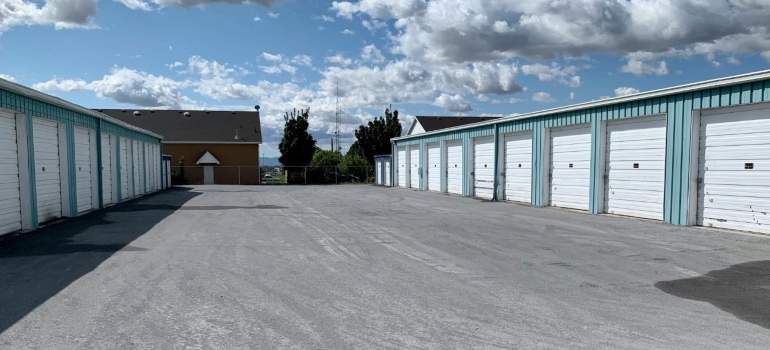
If you’ve put some things in storage, decide when and how you’ll use them. Rotate seasonal items like winter clothes or holiday decorations as you need them, and bring other items home only if they fit your space. It’s also worth asking whether these items still fit a minimalist lifestyle; if not, sell or donate them instead of paying to store them. Spyder Moving and Storage offers storage services, so the crew can take part of a partial move straight to storage.
Donating, recycling, and hauling away the rest
Items in good condition can go to donation centers, while bulky pieces nobody wants can go with junk removal on the same day as the move. Old phones, laptops, and other electronics need extra care: the EPA’s guide to donating and recycling electronics recommends deleting all personal information first and removing batteries, which may need to be recycled separately.
Getting help with partial moves and minimalist relocations in Denver
Partial moves and minimalist relocations are simple when you plan them: sort your belongings into take, store, and let go, declutter and get rid of things you don’t use, pack only the essentials, and label every box with where it’s going. Whether you’re downsizing, moving temporarily, or starting a minimalist lifestyle, a smaller, well-organized load saves time and trouble. Spyder Moving and Storage handles partial moves, partial packing, and storage from its Denver office at 4777 Leyden St and its offices in Colorado Springs, Mississippi, and Tennessee. Request a free estimate and tell us which items are moving.
Frequently Asked Questions
What is a partial household move?
A partial household move is a move in which only some of your belongings go to the new home, while the rest stay behind, go to storage, or follow later. It is common when one family member moves ahead for work, when two households combine, or when someone downsizes.
What is partial packing when moving?
Partial packing means the movers pack only the items you choose, usually the kitchen, glassware, artwork, mirrors, and electronics, and you pack everything else. Ask for packing and unpacking services for specific rooms when you request your estimate.
How do you move as a minimalist?
Sort everything you own into take, store, and let go, then sell, donate, or recycle what you don't use before you pack. Bring only essentials and multipurpose pieces, pack them tightly in fewer boxes, and label each box so the small load stays easy to track.
Do movers do partial moves?
Yes, many moving companies will move only part of a household, such as a few rooms, selected furniture, or a load split between a new home and a storage unit. Give the movers a written list of what is moving and mark items that stay, so nothing is loaded by mistake.
How should you label boxes on a partial move?
Label each box with its destination room and a short list of contents, and add a separate label or tape color for boxes going to storage. That way the crew loads storage items separately and nothing ends up at the wrong address.
What should you do with items you don't take on a minimalist move?
Sell valuable items online, donate gently used furniture and household goods, and recycle what is broken; bulky pieces nobody wants can go with junk removal. Items you'll want later can go to storage, but only keep the ones that still fit your space.
Free, no-obligation estimate
Get your free moving quote
Tell us where you are moving from and to, and our team will get back to you with a quote. Serving Mississippi, Tennessee and Colorado. Prefer to talk? Call (800) 221-3560.
"*" indicates required fields