
How to Pack Your Food When Moving

Key takeaways
Use up most perishables in the last two weeks before the move, then pack canned and dry goods in small, sturdy, labeled boxes with open packages taped or sealed. Meat, dairy and frozen food should ride in your car in an insulated cooler with ice or frozen gel packs, kept at 40°F or below. The USDA advises discarding perishables left above 40°F for more than 2 hours, or 1 hour when it is above 90°F.
Food is one of the easiest things to get wrong in a move. Cans are heavy, open boxes spill, and perishables can spoil in a warm car or truck long before you reach your new kitchen. The safest plan is to use up most perishables before moving day, pack dry and canned goods in small sturdy boxes, and carry anything cold in a cooler that stays at 40°F or below. This guide shows how to pack your food when moving, how to transport frozen food, and what to keep on hand for moving day, with tips from our team at Spyder Moving and Storage TN. Whether you are sorting the pantry, deciding what goes with you or keeping perishables cool, you will know exactly what to pack and how, so nothing goes to waste.
How do you pack food for a move?
Start by splitting your kitchen into food types, because each one travels differently. Canned goods need small boxes so they do not get too heavy, dry goods need sealing so they do not spill, and anything that must stay cold needs a cooler and a short trip. Here is a quick plan for each type of food:
| Food type | How to pack it | How it should travel |
|---|---|---|
| Canned goods | Small, sturdy boxes, heaviest cans on the bottom, gaps filled with packing paper | Moving truck or your car |
| Dry goods (pasta, rice, cereal, flour) | Tape open packages shut or move them into sealed containers or zip-top bags | Moving truck or your car |
| Oils, sauces and condiments | Tape lids, place each bottle in a plastic bag, pack upright | Your car if the containers are open |
| Refrigerated food (meat, dairy, produce) | Insulated cooler with ice or frozen gel packs, kept at 40°F or below | Your car, as the last thing loaded |
| Frozen food | Cooler packed tightly, with dry ice for longer trips | Your car, straight into the new freezer |
| Moving day essentials (coffee, snacks, water) | One clearly labeled open-first box | With you, not on the truck |
Assessing your food inventory
Before you pack up your kitchen, check what food you already have. Go through your pantry, fridge and freezer and write everything down. This list tells you what to take with you and what to eat before you go. If you’re moving from Mississippi to Tennessee, for example, you probably don’t want to haul a full freezer across state lines. Plan to use up most of your perishables before moving day instead. Unopened, non-perishable food you won’t use can go to a local food bank, which makes your move lighter and keeps good food from going to waste.
Sorting food items
When you start packing your kitchen, sort your food into three groups: perishables, non-perishables and essentials. Perishables are things like meat, dairy and fresh produce that must stay cold. Non-perishables include canned food and dry items like pasta. Essentials are the things you’ll want right away in your new place, like coffee, snacks or items for a quick breakfast. If you’re working with movers from Cordova TN, ask them which groups they will load and which should ride with you. Sorting first keeps perishables fresh, non-perishables organized and essentials within reach.
Planning meals before the move
To cut down on waste, plan your meals for the last two weeks around what is already in the fridge and freezer. Cook the frozen meat, use up the produce and dairy, and stop buying groceries you can’t finish. This helps in three ways. You have less to pack, the fridge is nearly empty when it is time to clean and defrost it, and there are no leaking or spoiled foods to deal with on moving day. Eat what you can before you go, and pack the rest smartly.
Packing non-perishable food
Choosing the right packing materials
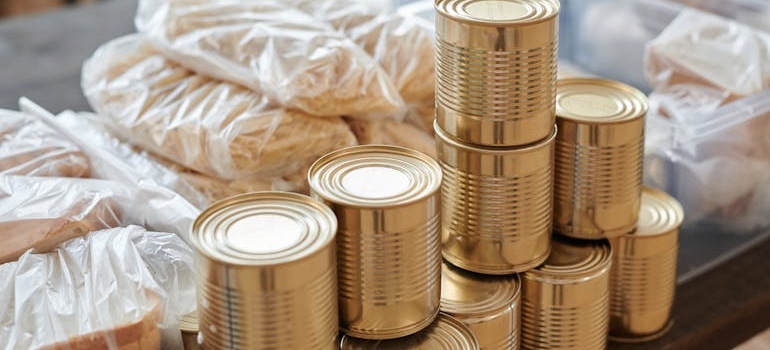
For non-perishable food, use small, heavy-duty boxes. Food is heavier than it looks, and small boxes keep cans and jars from crushing each other and stay light enough to carry safely. Use packing paper or bubble wrap around glass jars, and fill empty spaces so nothing shifts. If you’d rather not deal with it yourself, Spyder’s packing and unpacking services can take the whole kitchen off your list, and our Memphis movers can pack your kitchen as part of your move. The right materials keep your food intact and make unpacking easier.

Packing canned and boxed foods
Put the heaviest items, like cans and jars, at the bottom of each box and lighter items, like cereal or crackers, on top. This keeps boxes stable and stops the light packages from getting crushed. Pack everything tightly so nothing slides around, and fill the gaps with packing paper. A few extra steps prevent most spills:
- Tape open boxes of pasta, rice and cereal shut, or pour the contents into sealed containers.
- Tape the lids of spices, oils and sauces, and put each bottle in its own plastic bag.
- Pack liquids upright and mark the box “This side up.”
- Throw out nearly empty containers instead of moving them.
Labeling for easy access
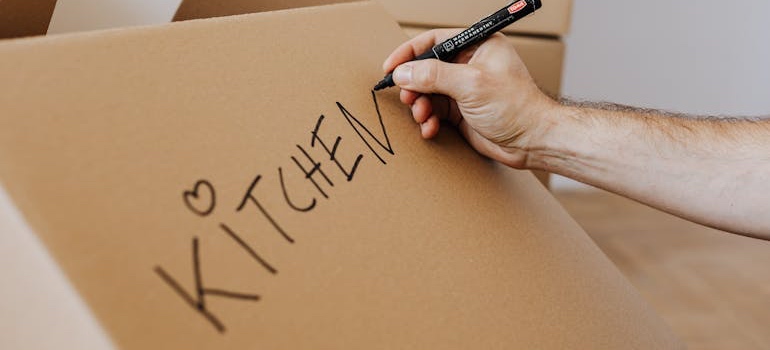
Label each box with what’s inside and where it goes in your new house, like “Kitchen – canned goods.” This makes unpacking much faster because you won’t have to guess what’s inside. If you’re using moving companies in Collierville TN, clear labels also tell the crew exactly where to put each box. Good labeling is a simple step that saves a lot of time later. Mark the essentials box “Open first” so it is the first one you find.
Moving in Mississippi, Tennessee or Colorado?
Spyder Moving gives free, no-obligation quotes. Licensed, bonded and insured.
How do you keep perishable food cold during a move?
Packing perishable food in coolers
Meat, dairy and fresh produce should travel in an insulated cooler with ice or frozen gel packs. The USDA’s rule is simple: keep cold food at or below 40°F. A full cooler stays cold longer than a half-empty one, so fill gaps with extra ice or frozen items, which work as cold packs too. Pack raw meat in sealed bags at the bottom so it can’t drip onto other food. If you want to be sure, put an appliance thermometer inside the cooler. Keep the coolers in your car, not in a hot trunk, and load them last so you can take them out first.
The 2-hour rule for perishable food
Bacteria grow fastest between 40°F and 140°F. The USDA advises never leaving perishable food out of refrigeration for more than 2 hours, or more than 1 hour when it is above 90°F, which is easy to reach in a car in a Tennessee summer. If you’re not sure whether food stayed cold enough, it’s much safer to throw it out than to risk getting sick. If you’re using movers from Germantown TN, you’ll be busy with the crew, so check the cooler temperature and the clock during the day. Throwing away a few items is disappointing, but it’s a small price for your family’s health.
Timing your move
Move perishables on the actual day of the move, and make them the last thing you pack and the first thing you unload. This keeps them out of the fridge for the shortest time possible. Unplug and empty the fridge only when the coolers are ready. If you need help keeping the day on schedule, affordable movers from Memphis TN can handle the furniture and boxes while you drive the coolers. For a long-distance move, eat or give away most perishables beforehand, because even a good cooler needs fresh ice along the way.
Can movers transport your food?
Canned and boxed food is usually fine on the moving truck if it is packed well. Perishables are different. The federal booklet Your Rights and Responsibilities When You Move notes that a mover may not be liable for damage if you pack perishable or hazardous items in your shipment without telling the mover. So keep perishables with you, and tell your movers about anything unusual before the truck is loaded.
How to transport frozen food when moving
Frozen food needs to stay frozen, so plan for it separately:
- Short move (a few hours): pack frozen items tightly in a cooler with ice or frozen gel packs and take them straight to the new freezer.
- Longer move: use dry ice, which is much colder than regular ice and keeps food frozen longer.
- Handle dry ice with gloves, because it can burn bare skin, and never seal it in an airtight container.
- Keep the air moving. Dry ice turns into carbon dioxide gas, so keep the car well ventilated.
- Check on arrival. Food that still has ice crystals or is at 40°F or below can be refrozen, although quality may suffer.
If you have more frozen food than your coolers can hold, it is usually smarter to cook it, share it or give it away than to move it.
Special considerations for packing your food when moving
Alcohol and beverages
Alcohol rules are set by each state, and in Tennessee they can also depend on the county or city. Before you pack wine, beer or spirits for a move into or within Tennessee, check the local laws with the Tennessee Alcoholic Beverage Commission. Look up whether any limits apply to how much you can bring, especially if you are moving a large collection. Wrap bottles individually and pack them upright in a divided box. Open bottles are better poured out or carried in your car than packed for the truck.

Special dietary needs
If someone in your family has allergies or special dietary needs, pack their food in a separate, clearly labeled box. That way you can find it right away in your new home, and it can’t get mixed with foods that might cause a reaction. Keep this box with you during the move, along with any medication they need. Setting up a safe shelf in the new kitchen first makes the first days easier for everyone with dietary restrictions.
What snacks should you have for movers on moving day?
Moving is hard physical work, so keep drinks and simple snacks ready for everyone helping you, whether that’s friends or a professional crew. Good options are easy to grab and don’t need a kitchen:
- Bottled water and sports drinks, kept cold in a separate cooler.
- Individually wrapped snacks such as granola bars, trail mix, crackers or chips.
- Fruit that travels well, like bananas, apples or oranges.
- Pizza or sandwiches for lunch if the move takes most of the day.
Ask about allergies before you order food, and pack these items in your essentials box so they don’t end up on the truck. Offering snacks is not required, but it is always appreciated. For more ideas, see how to thank your movers for a job well done and how to treat friends who help you move.
What to do after you arrive?
Unpacking food items
Unpack perishables first. Check the cooler temperature, then put milk, meat and produce straight into the fridge and frozen items into the freezer. The USDA recommends setting your refrigerator at 40°F or below and your freezer at 0°F, and you can read more about the USDA temperature danger zone if you are unsure about anything that sat out. After that, unpack canned goods and dry food. Set up the essentials, like coffee, tea and snacks, right away so you have easy access to them while you settle in.
Setting up your new pantry
Setting up your new pantry well makes everyday cooking easier later on. Think about how you cook and use your kitchen, and keep what you use most within easy reach, such as spices near the stove and snacks on a lower shelf. This is also a good chance to fix what you didn’t like about your old pantry setup. If you’re getting help from Memphis apartment movers, ask them to place your kitchen boxes near the pantry so you can unpack them in one spot.
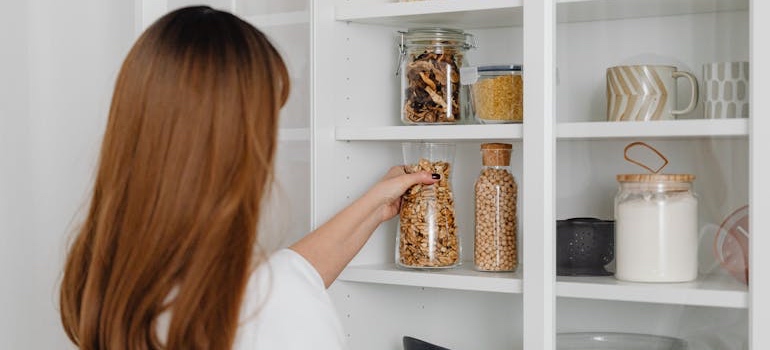
Use our tips to properly pack your food when moving
To pack your food when moving without waste or spoilage, use up perishables in the last two weeks, sort what’s left into perishables, non-perishables and essentials, and pack each group the right way. Keep cold food at 40°F or below in a cooler, follow the 2-hour rule, and label every box so your new kitchen is up and running fast. If you’d like help with the rest of the move, Spyder Moving and Storage can pack your kitchen and move your home from our Memphis office and our locations in Mississippi and Colorado. Request a free estimate and enjoy settling into your new Tennessee home without worrying about food going bad.
Frequently Asked Questions
How do you pack food for a move?
Sort food into perishables, non-perishables and moving day essentials, then pack canned and dry goods in small, sturdy boxes with the heaviest items on the bottom. Tape open packages shut, bag bottles with liquids, label every box by room and contents, and carry perishables in a cooler in your car.
How do you transport frozen food when moving?
Pack frozen food tightly in an insulated cooler with ice or frozen gel packs, and use dry ice for longer trips. Handle dry ice with gloves, keep the car ventilated, and move the food straight into the new freezer; items that still have ice crystals or are at 40°F or below can be refrozen.
What snacks should you have for movers?
Bottled water, sports drinks and individually wrapped snacks like granola bars, trail mix or crackers are the easiest choices for a moving crew. Fruit such as bananas or apples and pizza or sandwiches for a long day are also welcome, and it is a good idea to ask about allergies first.
Can you move food in a moving truck?
Well-packed canned and boxed food can usually go on the moving truck, but perishables should travel with you in a cooler. The federal booklet for interstate moves notes that a mover may not be liable for damage if you pack perishable or hazardous items without telling them.
Free, no-obligation estimate
Get your free moving quote
Tell us where you are moving from and to, and our team will get back to you with a quote. Serving Mississippi, Tennessee and Colorado. Prefer to talk? Call (800) 221-3560.
"*" indicates required fields