Relocation Planning
How to Organize an Interstate Move Out of Colorado During Winter Conditions
· 8 min read
Move With Spyder Moving and Storage and Help Animals



Key takeaways
Early fall, from September through October, is usually the best time to move to Colorado: summer demand has dropped, Front Range weather is mild, and high mountain passes are still open. Late spring suits families because school is out and seasonal roads like Independence Pass and Trail Ridge Road usually reopen around Memorial Day. Summer is the busiest and most expensive season, while winter is the cheapest but brings snow, I-70 traction laws, and closed passes.
Picking the right moving date matters more in Colorado than in most states. Spring snow, summer demand, fall pass closures, and winter traction laws all change how easy and how expensive a move is. At Spyder Moving and Storage CO, our Denver and Colorado Springs crews plan around those seasons every year. This guide compares each season’s weather, road conditions, mover availability, and costs, so you can choose the month that fits your budget, your family, and where in Colorado you are headed.
For most people, early fall (September through October) is the best balance of weather, cost, and availability. Summer demand has dropped after Labor Day, Front Range days are usually mild, and the high mountain passes are still open. Late spring (late May into June) is the next-best window and the easiest for families, because school is out and the seasonal mountain roads have reopened. Summer is the most popular and most expensive season, and winter is the cheapest but the hardest on logistics. If you are not sure which month to book, Spyder’s Denver movers can tell you how full their calendar already is.
| Season | Front Range weather | Mountain roads | Mover demand | Best for |
|---|---|---|---|---|
| Spring (March–May) | March is Denver’s snowiest month on average; rain and late snow are common | I-70 Traction Law season runs through May 31; Independence Pass and Trail Ridge Road usually reopen around Memorial Day | Rising toward late May | Families moving right after school ends |
| Summer (June–August) | Warm and mostly dry, with afternoon thunderstorms and hail | All seasonal passes open | Peak; book early | Long-distance moves that need dry roads |
| Fall (September–November) | Mild days, cool nights, early snow possible | Traction Law season starts September 1; Trail Ridge Road usually closes in late October and Independence Pass in late October or November | Falling after Labor Day | Best overall balance of cost and weather |
| Winter (December–February) | Cold snaps and snowstorms between sunny stretches | Traction and chain laws in storms; seasonal passes closed | Lowest | Flexible, budget-focused moves |
Colorado has four distinct seasons, and each one affects packing, loading, and driving differently. The sections below cover what to expect and what to prepare for in each.
Spring brings milder temperatures and more homes on the market, so you have more choices. The downside is unpredictable weather. In Denver, March is the snowiest month of the year on average, according to the National Weather Service, and rain or late snow can still hit in April and May. That can mean muddy driveways and a backup date. If you are moving from another state, Spyder’s long-distance movers in Denver can build that flexibility into the schedule.
Summer is the most popular time to move. Roads are dry, every mountain pass is open, and kids are out of school. Because it is so busy, moving services are harder to book and usually cost more, so reserve your date as early as you can. Afternoon thunderstorms and hail are common on the Front Range, and a hot truck can damage electronics, candles, and furniture finishes. Morning starts help, and these benefits of moving after dark explain why an evening move can work too.

Fall is often the best time to move. Cooler temperatures make loading easier than in summer, and as peak season winds down, movers have more open dates and more room on price. The window is shorter in the high country, though: CDOT usually closes Independence Pass (CO 82) for the winter in late October or November, and Trail Ridge Road in Rocky Mountain National Park closes for the season, usually in late October. If you are moving from far away, Spyder’s Aurora long-distance movers tend to have more availability in the fall.

Winter brings snow, ice, and short days, which can slow loading and delay long drives. It also brings the lowest demand, so moving costs are often lower and there is usually less competition for houses. On I-70, the Passenger Vehicle Traction Law can be enforced from September 1 to May 31 between Dotsero and Morrison, which means 3/16-inch tread on all-weather or winter tires, or chains, when it is in effect. Spyder’s interstate movers based in Denver can plan a winter route with backup days. If you are leaving the state instead, our guide to an interstate move out of Colorado in winter covers traction laws, packing, and loading in snow.
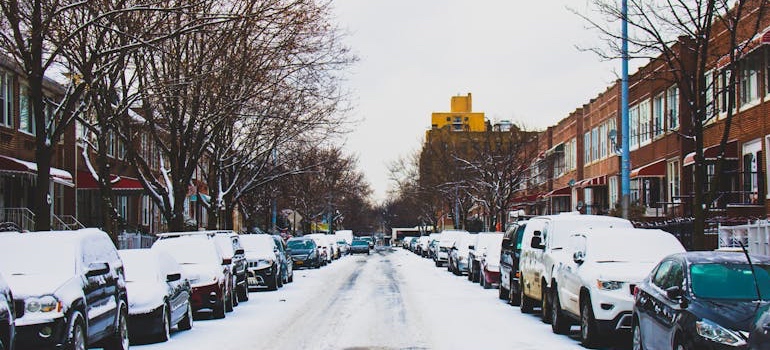
Moving in Colorado is not the same everywhere. A Denver suburb, a ski town, an Eastern Plains farmhouse, and a Western Slope home each have their own best window. Storms can close mountain passes with little notice, so check road status on CDOT’s COtrip service the week of your move.
In Denver and its suburbs, late spring through early fall is ideal. Weather is stable and school breaks make scheduling easier, but it is also peak season, so book early. Expect to plan around HOA move-in rules, elevator reservations, street parking, and rush-hour traffic. Spyder’s local movers in Denver handle these details for apartments and houses across the metro.
Mountain towns such as Vail, Breckenridge, and Aspen take extra planning. Late spring and early fall usually bring the best access, since snow and ice complicate steep driveways in winter. Aspen is a good example: when Independence Pass is closed, CDOT’s detour from Denver goes west on I-70 to Glenwood Springs and then south on CO 82, which adds a few hours to the trip.
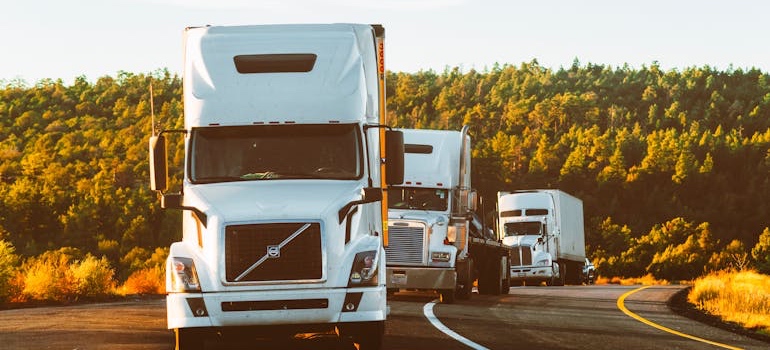
On the Eastern Plains and in remote ranch communities, late summer or early fall usually works best. Gravel roads are drier and there are fewer storms. Strong winds can make loading harder, and long distances between towns mean you should plan fuel stops and services ahead.
Grand Junction, Durango, and the rest of the Western Slope generally have milder winters than the high country, so the moving window there is wider. Getting there still means crossing mountain passes, so check pass conditions the week of your move and keep a backup date in mind.
Winter is usually the cheapest season, summer the most expensive, and late spring and fall sit in the middle with fair rates and decent conditions. Weekdays and mid-month dates are generally easier to book than weekends and the first or last days of the month, when leases turn over. Mover rates are only part of the bill, though.
In summer, moving companies are busiest and least flexible on price, so book well in advance if those months are your only option. In late fall and winter, fewer people move, which makes it easier to get the date you want. If you are moving a long way to a suburb like Broomfield, Spyder’s Broomfield long-distance movers can give you an estimate early so you can compare dates.

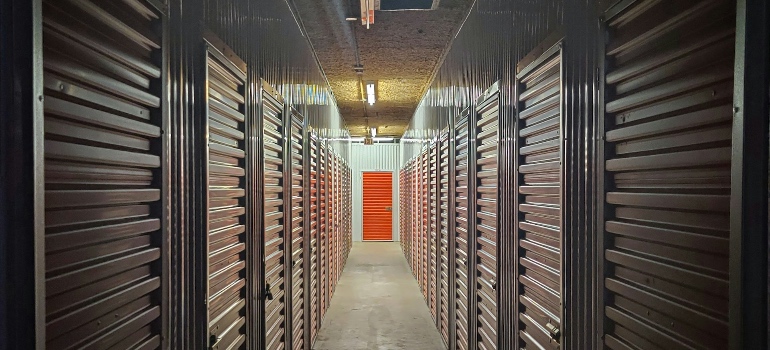
Trucks and storage units follow the same demand curve as movers. In summer, storage units in busy cities like Denver can be harder to get, and some facilities raise rates or keep waiting lists. In fall and winter, facilities are often more willing to offer discounts or flexible terms. If your new home will not be ready on moving day, reserving storage during an off-peak month is usually cheaper and easier.
If summer is your only option, set aside extra money for movers, trucks, and storage. Weather adds its own line items: plastic covers and waterproof bins for snow and slush, or insulated packing for heat-sensitive items in summer. Buy those supplies ahead of time instead of in a rush on moving day.
Singles and couples without a school calendar get the best deals in late fall or winter. Families usually do best in late May or June, right after school ends. If you are relocating for a job, book as soon as you know your start date. Whatever your timing, Spyder’s local moving team in Colorado can tell you how far out its calendar is already full.
Weather and price are not the only factors. For many households, the school calendar, the housing market, or a job start date sets the window.
For families, moving during summer break is usually the best choice because children can settle in before classes begin. Many Front Range districts start in August, and Denver Public Schools, for example, starts in late August, so a move in late May or June leaves time to enroll. If summer is not possible, winter or spring break is the next-least disruptive option. Check enrollment deadlines and school choice rules in your new district before you book.

Colorado’s housing market usually follows a national pattern: more listings and more competition in spring and summer, fewer buyers in fall and winter. A quieter season can give you more room to negotiate, while spring offers the most homes to choose from. Ask a local agent for current inventory in the area you are considering, since conditions differ between Denver, Colorado Springs, and mountain towns.
Tourism and outdoor recreation jobs follow the seasons, with ski resorts hiring for winter and parks and outdoor businesses busiest in summer. Fields like healthcare, education, and technology hire more steadily year-round. If you work in a seasonal industry, time your move to the hiring cycle so you arrive before the season starts.
Whatever season you choose, a few habits help you adjust to Colorado’s dry air, strong sun, and quick weather changes.
In spring and winter, waterproof containers protect your belongings from rain and snow. In summer, pack electronics, candles, medications, and other heat-sensitive items separately and keep them in your car instead of the truck. If you would rather leave it to a crew, Spyder’s packing service in Denver can pack everything with the season in mind.

In winter, have a shovel and ice melt ready, and learn your city’s sidewalk snow removal rules. In summer, drink more water and use sunscreen, because the air is dry and the sun is strong at altitude. Before any drive into the mountains, check CDOT’s Traction Law requirements. One of the best ways to feel at home is to get involved in local events, which also helps you meet new people in your new community.
Every season has its own activities. Skiers and snowboarders may want to arrive before the winter season, while hikers and cyclists can start exploring right away after a late spring or summer move. Moving in a season that matches your hobbies makes the first months easier.
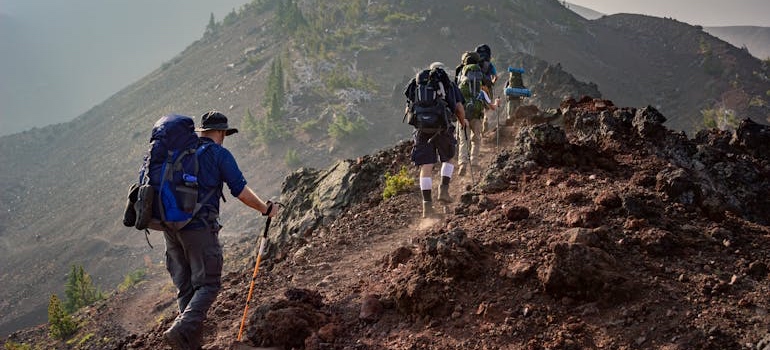
There is no single perfect month for everyone. Early fall offers the best balance, late spring suits families, summer has the easiest roads but the highest demand, and winter saves money if you can stay flexible. Spyder Moving and Storage runs local and long-distance moves from its Denver and Colorado Springs offices in every season. Tell us your target dates and get a free estimate to find the best time to move to Colorado for your household.
FAQs
Early fall, from September through October, is usually the best overall time to move to Colorado. Demand drops after Labor Day, Front Range weather is mild, and the high mountain passes are still open; late spring is the best alternative for families.
Summer has dry roads, open mountain passes, and school breaks, so most families and long-distance movers choose it. That demand makes moving crews harder to book and usually more expensive, so reserve your date early and avoid holiday weekends.
Winter can be worth it if saving money matters most, because demand for movers and competition for homes are lowest. Plan for snow, I-70 traction law days, and closed seasonal passes, and keep a flexible delivery window.
The Denver metro is accessible year-round, but mountain towns are easiest to reach from late spring to early fall, before seasonal closures such as Independence Pass and Trail Ridge Road. The Eastern Plains are best in late summer or early fall when roads are dry, and the Western Slope has a wider window but still requires crossing mountain passes.
Spring and summer usually bring the most listings and the most competition, while fall and winter are quieter. A quieter season can give buyers and renters more room to negotiate, so ask a local agent about current inventory in your target area.
Late May or June is usually best, because children can settle in before classes start in August in many Front Range districts. If summer is not possible, winter or spring break is the next-least disruptive time.
Yes, for tourism and outdoor recreation, where ski resorts hire for winter and parks and outdoor businesses are busiest in summer. Healthcare, education, and technology hire more steadily year-round.
Free, no-obligation estimate
Tell us where you are moving from and to, and our team will get back to you with a quote. Serving Mississippi, Tennessee and Colorado. Prefer to talk? Call (800) 221-3560.
"*" indicates required fields