

Unexpected First Time Homebuyers Costs in Mississippi

Key takeaways
First time homebuyers costs in Mississippi go well beyond the down payment: earnest money, inspections such as termite checks, the appraisal, title and recording fees, prepaid insurance, and escrow deposits all come due before or at closing. Your lender must send the Closing Disclosure at least three business days before closing, so compare it with your Loan Estimate. After you buy, property taxes are due by February 1 of the following year, and the homestead exemption only applies if you own and live in the home on January 1 and file by April 1.
First-time buyers often plan for the down payment and the monthly mortgage. Then extra charges show up and stretch the budget. Common unexpected first time homebuyers costs in Mississippi include fees due before closing, new monthly costs that start right away, and bills that rise later in the year, such as the first property tax bill without a homestead exemption. Some come from inspections, insurance, taxes, and lender rules. Others come from timing, like storage, utility setup, and move-in overlap. A few simple examples can keep the numbers clear and help you set a buffer before you make an offer. And if moving is part of the plan, working with professionals like Spyder Moving and Storage MS makes it easier to keep the timeline under control.
Why do first-time buyers in Mississippi get surprised by extra costs?
First-time buyers learn as they go, so the process can feel fast. You sign forms, meet deadlines, and deal with new terms. When one step slips, fees can show up and the budget gets tight. Some local costs also surprise people, like termite checks, flood insurance rules, or the way Mississippi’s homestead exemption and property tax calendar work. Repeat buyers often have cash from a past sale, so they can handle bumps, while first-timers usually put most of their savings into the down payment. Experienced movers from Jackson MS often see clients rush when closing dates change.
Most unexpected costs fall into four groups: one-time charges before closing (inspections, a survey), new monthly costs (PMI, higher insurance), bills that arrive later in the year (taxes, a failed water heater), and timing costs (storage, overlapping rent, rescheduled movers). The table below shows when the main costs and deadlines hit.
| Cost or step | When it hits | What to know in Mississippi |
|---|---|---|
| Earnest money | Right after your offer is accepted | Usually credited toward cash to close, but it must be in your account now |
| Loan Estimate | Within 3 business days of your loan application | Compare fees line by line between lenders |
| Inspections and appraisal | During the contract period | Termite (WDO) checks are common; a low appraisal can raise the cash you need |
| Closing Disclosure | At least 3 business days before closing | Shows your final cash to close; compare it with the Loan Estimate |
| Homeowners insurance and escrow deposits | At or before closing | Lenders often want the first year of insurance paid plus several months of escrow |
| Recording fees | At closing | Paid to the county chancery clerk; Mississippi has no statewide real estate transfer tax |
| Homestead exemption filing | January 1–April 1 | You must own and live in the home on January 1 to qualify for that year |
| Property tax bill | Due by February 1 of the following year | Paid to the county tax collector, often through your escrow account |

“Typical buyer costs” vs “first-time buyer costs”
Most people plan for the home price, the down payment, and closing costs. Repeat buyers also plan for escrow changes, schedule overlap, and a few early repairs. First-timers often miss the smaller charges that add up fast, like extra inspections, a survey, and insurance money due before closing. Costs can also change by area. Lenders and title companies work on different timelines, and insurance quotes on the Gulf Coast can look very different from those in DeSoto County or the Delta.
What closing costs do first-time buyers pay in Mississippi?
Buyers’ closing costs in Mississippi cover lender fees, title work and title insurance, county recording fees, prepaid insurance and interest, and escrow deposits. People often ask how much closing costs are, hear a percentage range, and assume that number stays the same. In real life, the total shifts based on loan type, discount points, insurance choices, and local practices.
Federal rules help you track the changes. Your lender must send a Loan Estimate within three business days of your application and a Closing Disclosure at least three business days before you close. Compare the two documents line by line and ask about anything that went up. It is common to see cash to close rise after final underwriting, when escrow and insurance figures are updated.
Common down payment surprises
The down payment is only part of what you pay early. Many offers also need earnest money, and you pay it right away to hold the deal. It usually goes toward cash to close, but you still need that money in your account now. Another surprise comes from the appraisal. If it comes in low, you may need to bring extra cash, ask the seller to lower the price, or change loan terms.

Loan-related extras like PMI, points, and rate locks
When you put down less than 20% on a conventional loan, lenders usually require private mortgage insurance. PMI adds a monthly cost, and it can last for years unless you meet specific rules for removal. FHA loans carry their own mortgage insurance premiums. Discount points can lower your interest rate, but they raise your upfront costs. A rate lock protects you from rising rates, yet a lock extension can cost money if closing slips past the lock date.

Appraisal and lender-required reports
Most buyers expect an appraisal fee, but they may not expect extra checks tied to the lender’s process. Depending on the property, the lender may require a flood zone determination or follow-up documentation. When an appraisal comes in below the contract price, you might pay for a reconsideration or a second look and still need extra funds if the value does not change. That can force quick choices under pressure.
Moving in Mississippi, Tennessee or Colorado?
Spyder Moving gives free, no-obligation quotes. Licensed, bonded and insured.
Which inspections do Mississippi homebuyers usually need?
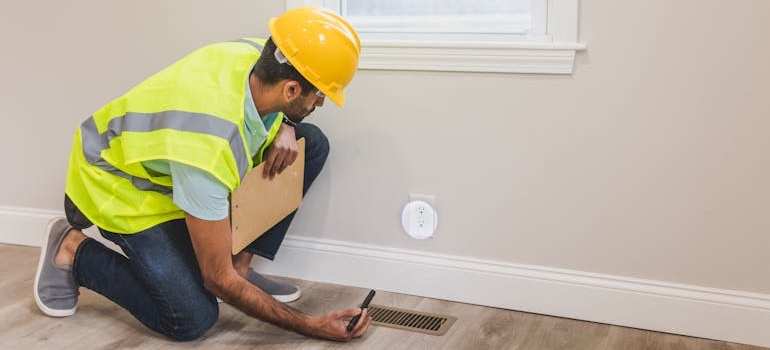
A general home inspection costs money, and it often leads to more spending. If the inspector finds concerns, you may end up hiring specialists or requesting repairs, and after repairs you may pay for re-inspections to confirm the work. One real scenario looks like this: the inspector notices moisture stains, you pay for a roof specialist, and you also schedule a mold assessment. None of those fees feels huge alone, but together they can change your first-month budget.
Specialist inspections Mississippi buyers often need
Many Mississippi homes benefit from a termite or wood-destroying organism (WDO) inspection, and many lenders ask for one. You may also need HVAC checks, roof evaluations, or septic and well inspections when the property uses those systems, which is common in rural counties. If an inspector spots structural movement or major cracks, a structural engineer may be the next step. If you skip these to save money, you may face higher costs after closing, when the seller no longer shares responsibility.
Survey, boundary, and title surprises
A survey can protect you from boundary issues, but buyers often skip it to save money. Some lenders or property types require a new survey even when an older one exists. Encroachments can trigger delays, like a fence that crosses a line or a driveway that sits partly on a neighbor’s land. When that shows up late in the title process, you pay for extra documentation, more time, and sometimes legal guidance to close cleanly.
How do property taxes and insurance change after you buy?
Property taxes are one of the least understood costs in Mississippi. The county assesses an owner-occupied home at 10% of its true value, then multiplies that by the local millage rate. Taxes are assessed to the owner of record on January 1, billed late in the year, and due by the following February 1, so your closing statement usually splits the current year’s taxes between you and the seller.
The homestead exemption timing trap
Mississippi’s homestead exemption gives homeowners under 65 a credit of up to $300, and homeowners 65 or older or totally disabled are exempt on the first $7,500 of assessed value. The catch for first-time buyers is timing: you must own and live in the home on January 1, file your deed with the chancery clerk before January 7, and apply at the county tax assessor between January 1 and April 1. Buy in March, and your first full tax year is billed without the exemption.
In Hattiesburg, for example, many home buyers use escrow, so the lender collects taxes each month. That helps at first, but after a year the lender reviews the escrow account. If taxes or insurance went up, the account may come up short, and the lender raises your monthly payment to catch up. If you are relocating within the Pine Belt, the moving companies in Hattiesburg MS clients rely on also remind buyers to budget for coverage on their belongings during the move.
Insurance that’s required to close on the home
Homeowners insurance usually starts before closing, so you may pay the first year upfront, and your lender may also collect extra months of insurance and taxes for escrow. That can raise the cash you need at closing. Flood insurance can also catch you off guard. A home may sit in or near a flood zone, or the lender may require coverage you did not expect, and then the quote raises your monthly payment. On the Gulf Coast, get wind and flood quotes before you make an offer.

HOA and neighborhood fees
Some neighborhoods include HOA dues, but the cost goes beyond the monthly bill. You may face transfer fees at closing, document fees, and charges for amenities. HOAs can also issue special assessments when they fund repairs or upgrades. A common surprise happens after move-in, when the HOA votes for a new project and bills owners for their share. Read the rules and fee schedule before you commit.
Is there help for first-time homebuyers in Mississippi?
Yes. The Mississippi Home Corporation (MHC) works through participating lenders and, as of October 2026, lists 30-year fixed-rate loans paired with down payment help. Smart7 adds a $7,000 second mortgage at 0% interest, Easy8 adds $8,000 at 0%, and Trusty10 adds $10,000 at 2% repaid over 15 years; the 0% loans are repaid when you sell, refinance, or pay off the mortgage. MHC also offers Housing Assistance for Teachers for certified public school teachers in select areas.
There are rules to plan around. Income and purchase price limits vary by program and county, and in many counties you count as a first-time buyer only if you have not owned a principal residence in the past three years (Smart7 does not require first-time status). MHC also requires a homebuyer education class, which you can take in person or online. Check current terms on the Mississippi Home Corporation programs page and ask your lender how the second mortgage affects your cash to close.
What costs hit after you move in?
Utility bills often go up when you move from an apartment to a house. A bigger space costs more to cool through a Mississippi summer, and older homes can waste air through gaps. Setup fees also hit right away. Some providers charge deposits and start-up fees, and you may pay two bills if your lease overlaps with your move-in date. You might get a high summer electric bill for only part of a month, plus a deposit because you are a new customer. If you are buying near Ole Miss, our Oxford movers can set up your home physically, but deposits and start-up fees still belong in your budget.
The first-year repair wave
Many homeowners use the 1% rule as a starting point, saving about 1% of the home’s value each year for upkeep. The first year can still hit harder, since you only start learning about the home’s weak points after you move in. HVAC service, water heater issues, and plumbing problems can show up early, and a small leak can turn into a bigger repair if it goes unnoticed during the move-in rush. Working through a short list of home maintenance tasks after moving in, like testing smoke detectors and servicing the HVAC, helps you spot weak points early.

Safety fixes and “must-do” upgrades
Some costs relate to safety fixes. You may replace smoke detectors, add handrails, fix missing GFCI outlets, or handle repairs a lender requires before closing, such as an electrical issue flagged in the inspection. Other items start as “nice to have” and become day-one priorities: new locks, pest prevention, window coverings, lawn tools, and missing appliances. A common moment hits right after move-in, when you realize the home does not include a fridge or the washer and dryer need hookups and parts.
How do you budget for moving costs when buying your first home?
Moving costs often hit at the same time as closing costs, so cash can feel tight. Local moves are usually priced by the hour, while long-distance moves depend on distance and how much you ship. Costs also go up when you need packing supplies, extra coverage, or help with heavy items. Because closing dates can change, timing matters: if the closing shifts, you may need to reschedule the truck, pay for storage, or cover extra days in a rental. A professional Mississippi moving company can explain your options and adjust the plan with fewer last-minute fees.

Temporary storage and short-term housing during timing gaps
Timing gaps create some of the most frustrating surprise costs. If your lease ends before closing, you may pay for short-term housing, storage, and meals out. If closing is delayed, you might add two more weeks of hotel stays and storage fees, plus overlapping utilities. Seller paperwork delays happen often enough that you should budget for them before you start shopping, and short-term storage services can hold your belongings until you get the keys.
Transfer and setup costs after closing
After closing, you start paying for a lot of small things: mail forwarding, internet installation, rekeying, and resetting smart locks. Appliance delivery can also cost more than you expect. A washer and dryer delivery may seem cheap until you add hoses, vent parts, or an outlet fix. When you bring in several large items at once, professional residential movers can place everything safely and quickly.
Build a true cash-to-close budget before you shop
A strong budget starts before you tour homes. Ask lenders for detailed fee worksheets and updated estimates. Request examples for different down payment levels so you can see how PMI, points, and cash to close change. Then split your money into three groups:
- Closing and upfront fees: earnest money, appraisal, inspections, and cash to close.
- The first 90 days: utilities, escrow adjustments, basic setup items, and moving costs. If you are hiring professional Senatobia MS movers, for example, keep that cost in this group.
- Repairs: a separate reserve, since something can break soon after you move in.

Tips to reduce surprise costs and avoid common assumptions
You can cut down on surprises with a few simple steps:
- Compare lenders using the same loan details so you can spot fee differences.
- Ask about rate locks and extension fees early, since delays happen often.
- Talk with your agent about seller credits, which can help cover some closing costs.
- Schedule inspections early, because last-minute problems create more fees.
- Don’t assume escrow stays the same, inspections are optional, or a new build needs no repairs.
Plan your move around the most likely closing week and keep a backup plan for storage. Experienced movers from Tupelo MS often advise clients to do this, since timing problems raise costs quickly.
Use our tips to keep track of these unexpected first time homebuyers costs in Mississippi
A solid offer starts with clear numbers. Check your totals with the lender before you sign, and ask what might change before closing day. Get insurance quotes early, keep your paperwork ready, and mark January 1–April 1 on your calendar for the homestead exemption. MSU Extension’s guide to how Mississippi property taxes work explains assessments and millage in plain language. Keep a cash buffer separate from the down payment, since many surprise costs show up at the last minute.
When your closing date is set, Spyder Moving and Storage can plan a move that fits your first home budget, with offices in Oxford and Hattiesburg. Get a free moving estimate before closing so your first time homebuyer costs in Mississippi include an accurate moving number.
FAQs
Frequently Asked Questions
What are the most common surprise costs for first-time buyers in Mississippi?
The most common surprises are earnest money, inspection and appraisal fees, termite (WDO) checks, title and recording fees, and the first year of homeowners insurance plus escrow deposits due at closing. After move-in, utility deposits, early repairs, and an escrow increase are the next most common.
How much should I budget for closing costs in Mississippi?
Budget for lender fees, title insurance, county recording fees, prepaid interest, and escrow deposits, and get the exact figure from your Loan Estimate, which your lender must send within three business days of your application. Mississippi has no statewide real estate transfer tax, so most of the total comes from lender, title, insurance, and escrow charges.
Why can my cash to close change right before closing day?
Final underwriting can update fees, escrow amounts, insurance charges, or credits, which shifts the total you owe. Your lender must give you the Closing Disclosure at least three business days before closing, so compare it with your Loan Estimate and ask about every increase.
What specialist inspections are common in Mississippi?
A termite or wood-destroying organism (WDO) inspection is the most common add-on in Mississippi, and many lenders require one. Depending on the home, you may also need HVAC, roof, septic, well, mold, or structural evaluations.
How do property taxes work for new homeowners in Mississippi?
Your county assesses an owner-occupied home at 10% of its true value and applies the local millage rate; taxes are assessed to the owner on January 1 and due by the following February 1. To get the homestead exemption you must own and live in the home on January 1 and apply at the county tax assessor between January 1 and April 1.
Why can my monthly payment go up after I move in?
Your payment can rise when your lender reviews the escrow account, usually after the first year, and finds that property taxes or insurance premiums went up. A first tax bill without the homestead exemption is a common cause for Mississippi buyers.
How can I lower surprise costs before making an offer?
Compare lender fee worksheets for the same loan, get insurance and flood quotes early, schedule inspections fast, and keep a cash buffer separate from the down payment. Ask your lender about Mississippi Home Corporation down payment programs such as Smart7, Easy8, and Trusty10, which require a homebuyer education class.
Free, no-obligation estimate
Get your free moving quote
Tell us where you are moving from and to, and our team will get back to you with a quote. Serving Mississippi, Tennessee and Colorado. Prefer to talk? Call (800) 221-3560.
"*" indicates required fields