

How to Find Rental Properties in a Competitive Market

Key takeaways
To find rental properties in a competitive market like Denver, start looking 30 to 60 days ahead, set listing alerts, and have ID, proof of income and references ready so you can apply the day you tour. Check rental comps for similar units nearby so you recognize a fair price and a suspiciously cheap one. Colorado caps security deposits at two months' rent and pet deposits at $300, and most landlords must accept a portable screening report no more than 30 days old.
Finding a rental property in Denver can be tough. Good units in popular neighborhoods draw several applicants, and the best listings rarely stay online for long. If you don’t have a plan, you might struggle to find a home that fits your budget and needs. To find rental properties in a competitive market, you need to know what you can afford, what a fair rent looks like, and which documents landlords will ask for before you start touring. This guide covers Denver’s rental market, the Colorado rules on deposits and application fees, how to check rental comps, and how to avoid scams. Whether you’re moving for work or school, Spyder Moving and Storage can help with the move once you have the keys.
How Competitive Is Denver’s Rental Market?
Denver’s rental market is competitive because jobs, outdoor access, and quality of life keep drawing new residents, and well-priced units in central neighborhoods attract several applicants at once. The time of year matters as much as the neighborhood. Many leases end in late spring and summer, so that is when the most units come up, but it is also when the most people are looking. In late fall and winter there are fewer listings, but landlords with empty units may be more flexible on price, move-in dates, or lease length. If you are relocating with help from Spyder’s Denver movers, plan the search and the moving date together so you are not paying for two places at once.
Setting a realistic budget
Before looking for a rental, figure out how much you can afford. Rents vary widely by neighborhood and building, so compare current listings for the exact areas you want rather than relying on citywide averages. A common benchmark comes from HUD, which considers a household “cost burdened” when it spends more than 30% of its income on housing. Budget for the extras as well: utilities, parking, renter’s insurance, and any move-in or pet fees. If this is your first place away from your parents, these tips for moving out of your family home help you plan the rest of the transition, and budget-minded apartment movers in Denver can quote the move itself so it fits the same budget.
Colorado law also caps several of the upfront costs, which helps you spot a landlord who is asking for too much:
| Upfront cost | What Colorado law allows | Law |
|---|---|---|
| Security deposit | No more than two months’ rent | SB23-184 |
| Pet deposit | No more than $300, and it must be refundable | HB23-1068 |
| Pet rent | No more than $35 a month or 1.5% of monthly rent, whichever is greater | HB23-1068 |
| Application fee | No more than the landlord’s actual screening cost, and the same for every applicant | HB19-1106 |
| Portable screening report | Most landlords must accept a report you bring that is no more than 30 days old, and then cannot charge an application fee | HB23-1099 |
| Income requirement | With some exceptions, a landlord cannot require income above 200% of the annual rent | SB23-184 |

Choosing the right neighborhood
Denver has many neighborhoods, each with different prices and lifestyles. If you want to live near bars, restaurants, and downtown offices, LoDo, Capitol Hill, and RiNo are popular choices, but they usually cost more. Families or people who want quieter streets often look at Park Hill, Washington Park, or Central Park (formerly Stapleton). Suburbs such as Lakewood, Aurora, and Littleton often offer more space for the money, but a downtown commute from there takes longer. Spyder’s guide to choosing a Denver neighborhood based on your commute helps you weigh that tradeoff. Whichever area you pick, Spyder’s local movers in Denver serve the city and the surrounding suburbs.
When Should You Start Looking for a Rental in Denver?
In a competitive rental market, timing is very important. Start looking 30 to 60 days before you need to move. Units usually go on the market shortly before they are available, so the early weeks are best spent learning prices and neighborhoods, and the final weeks on tours and applications. If you wait too long, there may not be many good options left, and you might settle for a place you don’t really like.
If your dates are flexible, aim for late fall or winter, when fewer people are searching and some landlords offer move-in specials to fill empty units. If you can’t find a long-term place in time, a short-term rental can be a backup. It usually costs more per month, but it gives you time to explore neighborhoods in person. Coming from another state? Spyder’s long-distance movers in Denver can hold your belongings in storage while you finish the search. And if you are ready to stop renting altogether, read about buying a home in Denver in the current market.

Moving in Mississippi, Tennessee or Colorado?
Spyder Moving gives free, no-obligation quotes. Licensed, bonded and insured.
How Do You Find Rental Properties Fast?
The fastest searches combine online alerts, local contacts, and quick tours. Use more than one channel, because some units never reach the big listing sites.
Online tools and websites to use
The easiest way to find rental properties in a competitive market is by searching online. Sites like Zillow, Apartments.com, and HotPads let you filter by price, location, and features. Setting up alerts helps you see new listings first, so you can contact the landlord the same day. Craigslist and social media also carry listings, but they attract more scams, so verify those carefully (see the scam section below).

Working with a local realtor or apartment locator
A real estate agent or apartment locator often knows about listings that aren’t posted online and can help with pricing and lease terms. This is especially useful if you’re moving from another state and can’t tour in person; an agent can do video walk-throughs for you while Spyder’s interstate moving team in Denver plans the move from your current home. To find a good agent, check reviews, ask people you trust, and make sure they work with rentals, not just home sales. Ask upfront who pays the locator’s fee.
Networking and word of mouth
Sometimes the best way to find a rental is by asking people you know. Friends, family, and coworkers may hear about units before they are listed. Local Facebook groups, neighborhood forums, and Denver pages on Reddit can also help, since some smaller landlords post there first. Posting that you are looking, with your budget and move-in date, can bring leads to you. Apply the same scam checks to these leads as to any online listing.
Touring properties efficiently
If you see a place you like, contact the landlord right away and book a visit. Try to see several places in one day so you can compare them. When touring, look for damage or maintenance issues, ask which utilities are included, and confirm the lease terms. Take pictures and notes so you remember details later, and bring your documents so you can apply on the spot.

How to Find Rental Comps Before You Apply
Rental comps are recent rents for units similar to the one you’re considering. Checking them tells you whether an asking price is fair, gives you facts if you want to negotiate, and helps you spot a listing priced suspiciously low. To build your own comps:
- Match the unit: same neighborhood, same number of bedrooms and bathrooms, and a similar size and age of building.
- Compare features: parking, in-unit laundry, included utilities, and pet policies all change the price.
- Check time on market: a unit listed for weeks at the same price is likely overpriced; one rented within days was priced right.
- Use a baseline: HUD publishes Fair Market Rents for every metro area, which give a rough official benchmark for typical rents by unit size.
- Ask: property managers and locators can often tell you what similar units in the same building recently rented for.
A handful of close comps is usually enough. If one listing is far below all of them, treat that as a warning sign rather than a deal.
How Do You Win a Rental in a Competitive Market?
Landlords in a competitive market want tenants who can move in on time and pay reliably. Being ready before you tour is the biggest advantage you can have.
Preparing your documents and a strong application
Most landlords ask for photo ID, proof of income such as pay stubs or an offer letter, and references from past landlords or employers. Have them saved as files on your phone so you can apply the same day. In Colorado, you can also buy a portable tenant screening report and reuse it; most landlords must accept one that is no more than 30 days old and then cannot charge you an application fee. If your credit is weak, a co-signer or a short note explaining your situation and showing steady income can help. Some landlords pick the first qualified applicant, so a complete application often beats a slightly better one submitted a day later.

Handling bidding wars for rental units
In popular areas, several people may apply for the same unit. You may improve your chances by offering a longer lease or a flexible move-in date, which landlords often value as much as a higher rent. A short letter explaining why you would be a good tenant, with your job and rental history, can also make a difference. Set your limit before you start so you don’t agree to a rent you can’t sustain.
Understanding lease terms
Before signing, read the lease carefully. Check how long it lasts, whether and when the rent can go up, and what happens if you need to move out early. Ask who handles repairs, whether pets are allowed, and what the rules are for guests and parking. If you’re bringing your own washer, dryer, or fridge, confirm the lease allows it before you book Denver movers who handle appliances. If something seems unclear or unfair, talk to the landlord before signing.
How Can You Avoid Rental Scams?
Scammers target renters in busy markets because people feel pressure to act fast. The FTC’s guidance on rental listing scams lists the usual signs:
- rent well below comparable units in the same area;
- an “owner” who is out of town or keeps finding reasons not to show the property;
- pressure to pay a deposit or first month’s rent before you see the unit or sign a lease;
- requests to pay by wire transfer, gift card, or cryptocurrency;
- the same address advertised elsewhere for sale, or by a different owner.
If something seems too good to be true, it probably is. Search the address and the landlord’s name online, and confirm who owns the property through the county assessor’s records. Never send money before you have toured the unit, in person or by live video, and signed a lease. If you are targeted, report it at ReportFraud.ftc.gov and to the site where the ad appeared.
Moving In After You Find Rental Properties in a Competitive Market
Once you have a lease, the clock starts on the move itself. A few steps now save money and disputes later.
Planning the move
Book your movers or truck as soon as the lease is signed, especially for a summer or month-end move. If you’d rather not pack yourself, Spyder offers a packing service in Denver. If you’re packing on your own, group similar items and label boxes by room. Set up electricity, gas, and internet before move-in day so everything works when you arrive.
Documenting the unit and getting renters insurance
Before you bring anything in, walk through the rental, write down anything broken or worn, and take dated photos. This is your best protection against deductions from your deposit when you move out. It’s also a good idea to get renters insurance, which can cover your belongings and your liability; the Colorado Division of Insurance explains the coverage types. Once you move in, report anything that isn’t working right away, in writing.
Decorating your rental without losing the deposit
Making a rental feel like home is part of settling in, but check the lease before you paint, hang heavy shelves, or swap fixtures. Many landlords approve small changes if you ask in writing first. Renter-friendly options include removable hooks and wallpaper, rugs, curtains on tension rods, plug-in lighting, and furniture that adds storage. Keep any original fixtures you remove so you can put them back before you move out.
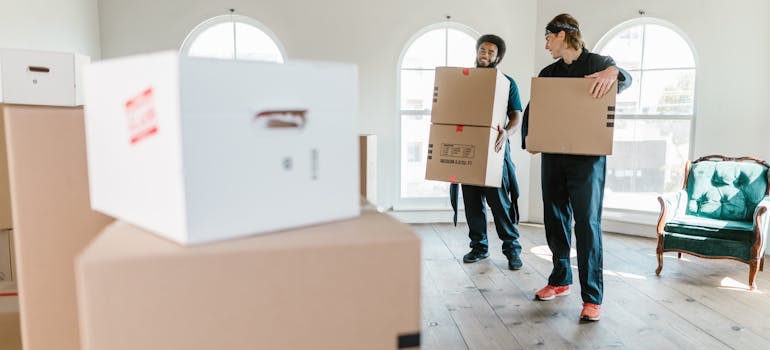
Ready to Move Into Your New Denver Rental?
To find rental properties in a competitive market like Denver, know your budget and Colorado’s limits on deposits and fees, check comps so you recognize a fair price, and have your documents ready before you tour. Verify every listing before you pay, and document the unit’s condition on day one. When you have the keys, Spyder Moving and Storage can handle the move from our Denver office at 4777 Leyden St. Request a free estimate or call 720-545-3187 to book your moving date.
Frequently Asked Questions
How do you find rental comps?
Find rental comps by collecting current and recent rents for units that match yours: same neighborhood, same bedroom and bathroom count, similar size, age and features such as parking or in-unit laundry. Note how long each one stayed on the market, and use HUD's Fair Market Rents as a rough official benchmark for your metro area.
How do you research competitor rent prices?
Compare asking rents for similar units within the same neighborhood on major listing sites, and adjust for differences in size, amenities and included utilities. Units that sit on the market for weeks are usually priced above the competition, while units that rent within days show what the market will actually pay.
How can you rent an apartment fast?
Set up listing alerts, contact landlords the same day a unit is posted, and tour several places in one day. Bring ID, proof of income and references so you can apply on the spot; in Colorado a portable tenant screening report no more than 30 days old can also save you application fees.
How do you check rental demand in an area?
Watch how fast comparable units in the neighborhood rent and whether landlords are offering move-in specials, which usually signal softer demand. Rental vacancy rates the Census Bureau publishes for large metro areas, and conversations with local property managers, add context to what you see in listings.
Should you use a rental agent in Denver?
A rental agent or apartment locator is worth it when you are moving from out of state, can't tour in person, or need a unit quickly, because they often know about listings that aren't online yet. Ask upfront who pays the agent's fee and make sure they regularly work with rentals, not only home sales.
What should you bring when viewing an apartment?
Bring photo ID, proof of income, landlord or employer references, and a way to pay an application fee so you can apply the same day. Also bring your phone to photograph any damage, and a short list of questions about utilities, repairs, parking and lease length.
Free, no-obligation estimate
Get your free moving quote
Tell us where you are moving from and to, and our team will get back to you with a quote. Serving Mississippi, Tennessee and Colorado. Prefer to talk? Call (800) 221-3560.
"*" indicates required fields